Branding with hot iron is not just an age-old practice but a significant method that has stood the test of time in various industries. From livestock management to branding unique products, this technique carries a rich history and a myriad of applications that have evolved over the years.
This introduction explores the essentials of hot iron branding, including the materials needed, the types of brands that can be created, and the safety measures to consider during the branding process. The fascinating intersection of tradition and practicality makes hot iron branding an engaging subject worth exploring.
Introduction to Branding with Hot Iron
Branding with hot iron is a traditional method of marking livestock and other materials using a heated iron instrument. This practice dates back to ancient civilizations, where it served as a means of ownership identification and a way to prevent theft. The historical significance of hot iron branding lies in its role in establishing property rights, particularly in agrarian societies, and its evolution into a symbol of branding for various industries, including cattle ranching and craftsmanship.The materials needed for hot iron branding are quite straightforward.
Primarily, a branding iron is required, which is typically made of metal such as steel or bronze that can withstand high temperatures. Other essential materials include a heat source, which can be a forge, propane torch, or electric branding machine, and safety gear to protect the user from burns and other injuries. The branding iron usually features a unique design or logo that represents the brand.
Types of Brands Made Using Hot Iron
Hot iron branding allows for two main types of brands: the hot brand and the freeze brand. Each type has its specific applications and visual characteristics.The hot brand involves applying a heated iron to the skin or surface, resulting in a permanent mark that is often darker and more pronounced. This method is particularly common in livestock branding as it effectively scars the skin and is easily visible, enhancing traceability.On the other hand, freeze branding uses a super-cooled branding iron.
This technique freezes the hair follicles, leading to a white or light-colored mark against the natural pigmentation of the skin. Freeze branding is less painful than hot branding and is often used in equine industries, as it minimizes damage to the hide.
- Hot Brands: Known for their clear, dark marks and permanence.
- Freeze Brands: Produce lighter marks with less pain, ideal for horses.
Techniques for Hot Iron Branding
Hot iron branding is a time-honored technique used primarily for marking livestock, but it also has applications in various crafts and businesses. The process itself involves utilizing a heated iron to imprint a specific design or logo onto a surface, creating a durable mark. Understanding the proper techniques and safety measures is crucial for ensuring effective branding and preventing accidents.
Step-by-Step Procedures for Creating a Hot Iron Brand
Creating a hot iron brand requires precision and care. The following steps Artikel the process, from preparation to application:
- Design Creation: Start with a clear design or logo. This can be sketched out on paper or created digitally. Ensure that the design is simple and bold for better visibility once branded.
- Material Selection: Choose a suitable material for the branding iron, typically metal. Steel is preferred due to its durability and heat retention.
- Iron Fabrication: Fabricate the branding iron based on the design. This involves welding or machining the pattern onto the metal rod. Ensure that the edges are smooth to avoid damaging the surface being branded.
- Heating the Iron: Use a forge or a specialized branding iron heater to heat the iron to the appropriate temperature, typically between 1,300°F to 1,500°F (700°C to 800°C). The iron should be glowing red to ensure effective branding.
- Testing the Iron: Before branding the final product, test the iron on a scrap piece of material to check for clarity and depth of the imprint. Adjust the heat or pressure as necessary.
- Branding Application: Firmly press the heated iron onto the designated area for about 5 to 10 seconds. Ensure even pressure is applied to avoid smudging.
- Cooling: After branding, allow the material to cool naturally. Do not use water or ice, as this can cause damage or distortion.
Safety Measures for Using Hot Iron Branding Tools
Safety is paramount when using hot iron branding tools. Implementing proper precautions can prevent burns and other injuries. The following measures should be adhered to:
- Protective Gear: Always wear heat-resistant gloves, long sleeves, and goggles to protect against sparks and heat.
- Work Area Preparation: Ensure that the work area is clear of flammable materials and has adequate ventilation.
- Tool Management: Use tongs or heat-resistant tools to handle the branding iron and avoid direct contact with the hot metal.
- Emergency Readiness: Have a fire extinguisher and a first-aid kit readily available in case of an accident.
- Supervision: Never leave the hot branding iron unattended, and supervise any inexperienced individuals closely during the branding process.
Proper Heating and Cooling Processes for Hot Iron Branding
The success of hot iron branding lies significantly in the heating and cooling processes. Correctly managing these factors ensures the effectiveness and longevity of the brand.
“The key to a successful brand is in achieving the right temperature and allowing for appropriate cooling time.”
Firstly, the heating process should be carefully monitored. The branding iron must reach the right temperature for optimal imprinting, avoiding overheating that may lead to metal warping. Use an infrared thermometer to check the iron’s temperature, making adjustments to the heat source as needed.For cooling, patience is essential. Allow the branded item to cool at room temperature. Rapid cooling methods, such as water immersion, should be avoided as they can compromise the integrity of the material and the clarity of the brand.
A cooling time of at least 30 minutes is recommended to ensure that the material returns to a stable state and that the brand sets properly.
Applications of Hot Iron Branding
Hot iron branding is a traditional method used primarily in livestock management to signify ownership and identity. This technique has been employed for centuries and remains relevant in various agricultural practices. By applying a heated iron with a specific design to the skin of animals, farmers can establish clear ownership, which is especially critical in large herds where animals may mingle with one another.In livestock management, hot iron branding serves a crucial role in the identification of animals.
The heat penetrates the skin, creating a permanent mark that is resistant to fading or removal. This method not only deters theft but also helps in tracking breeding and health records. For instance, ranchers often brand livestock to manage their herds more effectively, ensuring they can quickly identify individual animals for healthcare or breeding purposes.
Industries Utilizing Hot Iron Branding
Hot iron branding is not limited to agriculture; several industries adopt this technique for various purposes. Here are some notable examples:
- Livestock Industry: As previously mentioned, ranchers and farmers use hot iron branding to identify cattle, horses, and sheep within their herds.
- Security Services: Some companies utilize branding on specific equipment and tools to deter theft and ensure accountability among employees.
- Leather Goods Manufacturing: Artisans may apply hot branding on leather products to denote authenticity and quality, often incorporating logos or unique designs.
- Aquaculture: In certain fish farming practices, branding may be used to identify species and breeding stocks, enhancing management within extensive aquatic environments.
- Cultural Ceremonies: Some cultures apply branding as a rite of passage, marking individuals with symbols of their heritage or accomplishments.
The versatility of hot iron branding across different sectors highlights its enduring relevance.
Effectiveness Compared to Other Marking Techniques
When comparing hot iron branding to other marking techniques such as ear tagging, tattooing, or freeze branding, several factors come into play regarding effectiveness and practicality. Hot iron branding provides a permanent solution that cannot be easily altered or removed, making it a reliable method for long-term identification. In contrast, ear tags can be lost, damaged, or removed, especially in active environments where livestock interact frequently.
Additionally, tattoos can fade over time, leading to potential identification errors. Freeze branding is a less painful alternative, but it may not be as effective for all species or circumstances.
Hot iron branding stands out for its durability and clear visibility, making it an indispensable tool in the management of livestock and other industries.
In conclusion, the effectiveness of hot iron branding lies in its permanence and reliability, surpassing some other methods that may compromise identification over time. Its applications in both livestock management and various industries underscore its significance as a marking technique.
Designing Custom Brands
Creating a unique hot iron brand is a critical step in establishing a visual identity for your livestock or products. A well-designed brand not only signifies ownership but also communicates your values and business ethos to consumers. The process involves thoughtful consideration of various elements that make your brand both distinctive and effective.When designing a custom hot iron brand, it’s essential to keep in mind how the brand will be viewed in various contexts.
The placement and visibility of your brand can significantly impact its effectiveness and recognition. An ideal design ensures that your brand is easily identifiable from a distance while maintaining clarity and precision in detail.
Guidelines for Designing a Unique Hot Iron Brand
To create a standout brand, several guidelines should be followed to ensure the design is effective and functional.
- Simplicity: A simple design is easier to recognize and reproduce. Intricate details can be lost when branding on surfaces like leather or skin.
- Legibility: Choose fonts and symbols that are clear and easy to read from a distance. The brand should be identifiable at a glance.
- Uniqueness: Your brand should distinguish itself from competitors. Research existing brands in your industry to avoid duplication.
- Scalability: The design should be effective whether it is shrunk to a small size for labels or expanded for larger formats.
- Durability: Consider how the brand will hold up over time. It should maintain its integrity even after repeated applications.
Importance of Brand Placement and Visibility
The placement of your hot iron brand greatly influences its visibility and impact. A strategically placed brand can enhance recognition and reinforce your brand’s identity.
- Positioning: The location on the animal or product should be chosen based on visibility while also being practical for application.
- Orientation: Ensure that the brand is oriented in a way that it can be easily seen and read from the most common viewing angles.
- Size: The size of the brand affects its visibility. It should be proportionate to the surface area of the item being branded.
Factors to Consider When Creating a Brand Design
When creating a brand design, several critical factors should be evaluated to ensure its effectiveness and alignment with your overall branding goals.
- Target Audience: Understanding who will see your brand can guide design choices that resonate with your audience.
- Brand Message: The design should reflect the essence of your brand, including values and mission.
- Material Compatibility: Different materials will react differently to branding. Make sure your design is suitable for the surfaces you’ll be using.
- Legal Considerations: Ensure your brand does not infringe on existing trademarks. Conducting a trademark search can prevent future disputes.
- Application Process: Consider how the brand will be applied. The design should facilitate a clean and effective branding process.
Maintenance and Care for Hot Iron Brands
Maintaining hot iron branding tools is essential for ensuring their effectiveness and longevity. Proper care not only enhances performance but also prolongs the lifespan of the tools, making them a worthy investment for branding needs.Cleaning hot iron branding tools is a straightforward process that should be performed regularly. After each use, it is crucial to clean the branding iron to prevent residue buildup that can affect the quality of future brands.
Use a wire brush to gently scrub the branding surface while it is still warm, which helps remove any burnt material. For a deeper clean, soak the branding iron in a mixture of water and mild detergent for a few minutes, then scrub with a soft cloth. Always ensure the branding iron is completely dry before storing it to prevent rust formation.
Common Issues and Resolutions
Several issues may arise with hot iron brands, impacting both their functionality and the quality of the branding. Addressing these issues promptly can save time and resources.
Inconsistent Branding
This can occur due to uneven heating. Ensure the branding iron is heated evenly before application to avoid weak or incomplete brands.
Residual Material Buildup
If not cleaned properly, residue can accumulate, affecting the branding quality. Regular cleaning as mentioned earlier will help mitigate this issue.
Rust Formation
If the branding iron is stored while damp, rust can develop. To avoid this, always dry it thoroughly after cleaning and apply a light coat of oil to protect the metal.
Handle Damage
Continuous use may wear down the handle, making it unsafe. Inspect the handle regularly and replace it if cracks or significant wear are detected.
Longevity of Hot Iron Brands
The durability of hot iron brands depends on several factors, including material quality, frequency of use, and maintenance practices. High-quality materials tend to withstand heat and wear better than lower-grade options.
Material Quality
Brands made from high-grade steel or iron are more durable and can withstand repeated heating without warping.
Usage Frequency
The more often a brand is used, the more wear and tear it experiences. Regular maintenance becomes even more critical in high-usage scenarios.
Storage Conditions
Storing branding irons in dry environments where they are protected from moisture prevents rust and other forms of deterioration.
Heat Management
Consistent monitoring of heat levels during use helps maintain the integrity of the branding iron, ensuring that it remains effective over a longer period.
Proper maintenance and care can significantly enhance the performance and lifespan of hot iron brands, making them reliable tools for years to come.
Branding and Its Impact on Business
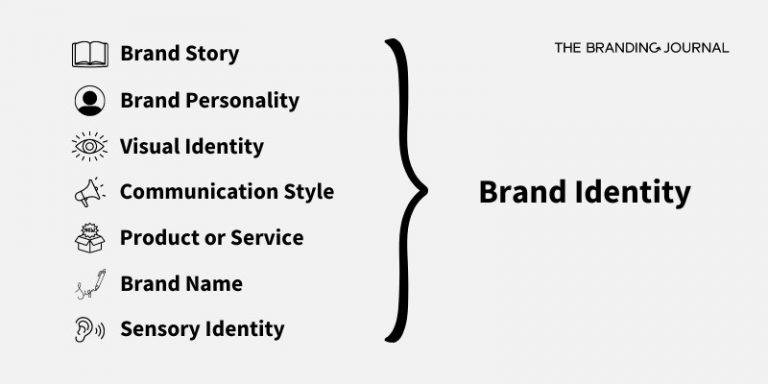
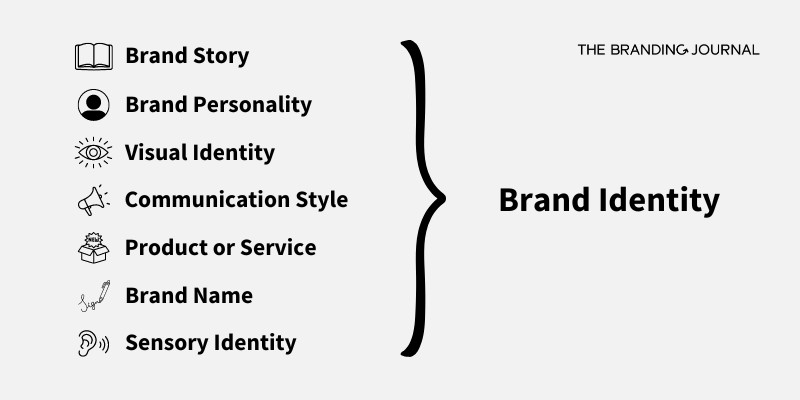
Branding plays a pivotal role in shaping consumer perceptions and influencing business success. It establishes an identity, communicates value, and fosters trust among customers. Through effective branding, businesses can differentiate themselves from competitors, making an indelible mark in the minds of consumers.The psychological effects of branding on consumer perception are profound. A well-established brand creates associations that can evoke emotions, leading to predetermined choices.
Consumers often rely on brand recognition and perceived quality when making purchasing decisions, which is rooted in the concept of consumer behavior psychology. A strong brand can signify quality, reliability, and familiarity, all of which contribute to customer satisfaction and preference.
Psychological Effects of Branding on Consumer Perception
Branding influences how consumers perceive products and services. Here are some key psychological aspects to consider:
- Emotional Connection: Strong brands create emotional bonds with consumers, fostering loyalty.
- Trust and Reliability: Established brands are often seen as more trustworthy, leading to repeat purchases.
- Perceived Value: Branding can enhance the perceived value of a product, justifying higher prices.
- Recognition: Familiar brands can lead to faster decision-making, as consumers gravitate towards known entities.
A case study that exemplifies successful branding strategies with hot iron branding is the ranching industry, where hot iron branding is used to mark livestock. This practice not only serves a practical purpose—identifying ownership—but also contributes to branding the ranch itself. For instance, a ranch that uses a distinctive brand can create a strong identity in the market, which can lead to consumer loyalty and recognition of the quality of its beef products.
Case Studies of Successful Branding Strategies Using Hot Iron Branding
Several companies have successfully utilized hot iron branding to enhance their brand presence. Here are notable examples:
- Luxury Steakhouses: Many high-end steakhouses use hot iron branding on their signature cuts, which elevates the dining experience and reinforces the quality of their offerings.
- Craft Breweries: Breweries often brand their barrels with hot irons, creating a distinct look that reflects craftsmanship, which resonates well with their target audience.
- Artisan Farms: Farms that use hot iron branding for their products enhance their authenticity and appeal to consumers seeking locally sourced and ethically raised goods.
Building brand loyalty through effective branding is crucial for sustaining business growth. A strong brand fosters not only customer retention but also repeat business, as consumers are more likely to return to brands they recognize and trust.
Influence of Branding on Customer Loyalty and Repeat Business
Brand loyalty is often derived from a combination of trust, quality, and emotional connection. Here are key factors that illustrate how branding influences customer loyalty:
- Consistency: Brands that consistently deliver quality reinforce trust and reliability.
- Customer Engagement: Engaging with customers through branding initiatives—like loyalty programs—can enhance the sense of community.
- Innovative Branding: Unique branding strategies can capture consumer interest and encourage loyalty.
- Brand Advocacy: Satisfied customers often become brand advocates, promoting the brand through word-of-mouth, which is invaluable.
In summary, branding—especially through techniques such as hot iron branding—has a significant impact on how consumers perceive businesses. The psychological effects of branding shape customer loyalty and influence repeat business, which are essential for long-term success in any industry.
Legal and Ethical Considerations
Hot iron branding, while effective for identification, raises significant legal and ethical issues. Understanding these considerations is crucial for businesses looking to implement responsible branding practices. With varying regulations depending on region and industry, it’s important to stay informed about the legal landscape surrounding hot iron branding, while also prioritizing animal welfare in branding techniques.
Legal Regulations Surrounding Hot Iron Branding
Different jurisdictions have established regulations governing the use of hot iron branding, particularly in agricultural practices. These regulations aim to protect livestock from unnecessary harm and ensure humane treatment. Key aspects of these regulations include:
- Documentation and Registration: Many states require ranchers to register their branding marks with local authorities, ensuring a traceable record of ownership.
- Temperature Standards: Regulations often specify the maximum temperatures allowed during branding to minimize pain and suffering. Brands must meet certain thermal thresholds that are deemed acceptable.
- Time Limits: Some jurisdictions enforce time limits on how long a brand can be applied. This ensures that the animal is not subjected to prolonged distress.
- Animal Welfare Laws: Many regions have enacted broader animal welfare laws that encompass branding practices, mandating that branding be performed by trained personnel to reduce stress and injury.
Ethical Considerations Regarding Animal Welfare
The ethics of hot iron branding come into play significantly when considering the welfare of animals. While branding serves a practical purpose, it can induce pain and distress. Ethical branding practices prioritize the well-being of animals and aim to reduce suffering as much as possible. Important aspects include:
- Alternatives to Branding: Exploring non-invasive alternatives, such as electronic identification or microchipping, can help minimize the ethical concerns associated with hot iron branding.
- Training and Technique: Ensuring that personnel are adequately trained in humane branding techniques can significantly reduce the pain experienced by the animal during the process.
- Post-Branding Care: Providing appropriate care and monitoring after branding can prevent unnecessary complications and promote healing.
- Public Perception: Businesses must consider consumer attitudes toward animal welfare. Brands that openly address ethical considerations may enhance their reputation and customer loyalty.
Framework for Responsible Branding Practices
To ensure responsible branding practices, businesses should adopt a framework that encompasses legal compliance, ethical considerations, and best practices. This framework can include:
- Regular Training: Ongoing education for staff on both legal standards and ethical practices surrounding hot iron branding.
- Compliance Audits: Regular audits of branding practices to ensure adherence to local regulations and ethical standards.
- Stakeholder Engagement: Involving animal welfare organizations and the community in discussions about branding practices can improve transparency and foster trust.
- Feedback Mechanism: Implementing a system for feedback from employees and stakeholders to identify areas for improvement in branding practices.
“Responsible branding practices are not just about compliance; they reflect a commitment to ethical treatment of animals and public trust.”
Last Point
In summary, branding with hot iron encapsulates a blend of artistry and utility, proving to be an effective way of marking ownership and identity. As we have seen, the techniques involved, along with the thoughtful design and ethical considerations, play a crucial role in ensuring that this practice remains relevant and responsible in today’s world.
Query Resolution
What materials are needed for hot iron branding?
The primary materials include a hot branding iron, a heat source, safety gear, and a surface for branding.
Are there alternatives to hot iron branding?
Yes, alternatives include freeze branding, tattooing, and electronic identification methods.
How do you ensure safety during hot iron branding?
Always wear protective gear, work in a well-ventilated area, and follow proper heating procedures.
What types of brands can be created with hot iron branding?
Common types include letters, symbols, and logos, each designed to represent ownership or identity.
How long do hot iron brands last?
With proper care, hot iron brands can last for many years, depending on the material and conditions.