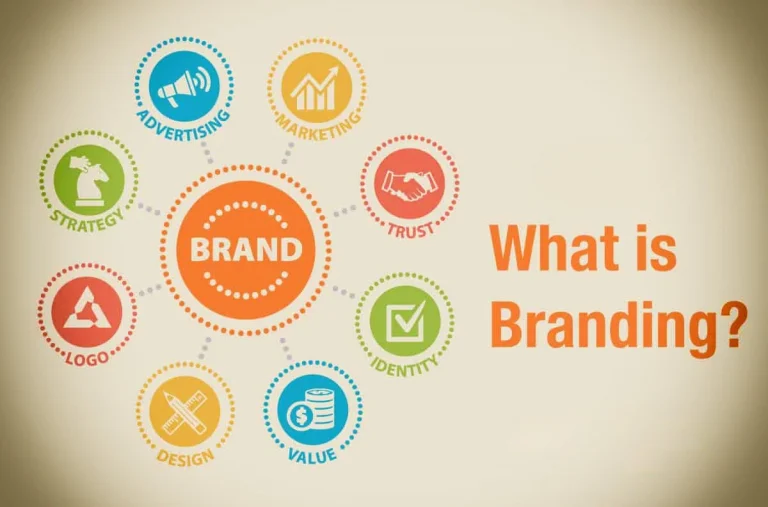
Branding iron grand targhee stands as a remarkable intersection of tradition and modern branding strategies. This distinctive tool not only marks livestock but also symbolizes the essence of a brand’s identity, especially in the breathtaking backdrop of Grand Targhee Resort. By marrying the rich history of branding irons with contemporary marketing techniques, businesses can create a lasting impression that resonates with their audience.
In exploring the concept of branding irons, we dive into their historical significance, the materials that bring them to life, and the various types available today. Additionally, we’ll uncover how Grand Targhee Resort utilizes its stunning geography to enhance its branding approach, ensuring that its unique identity stands out in the competitive outdoor recreation market.
Branding Iron Overview
Branding irons have served as powerful symbols of ownership and identity throughout history, particularly in agricultural and livestock communities. Initially crafted to mark animals, branding irons have evolved into tools representing various industries and crafts. Their significance stretches beyond mere practicality, often intertwining with cultural and historical narratives.The materials used in making branding irons are crucial for their effectiveness and durability.
Commonly, they are manufactured from metals such as steel and brass, which can withstand high temperatures without deforming. Steel, known for its strength and resistance to corrosion, is often preferred for its longevity. Brass, on the other hand, is renowned for its excellent thermal conductivity, allowing it to heat up quickly. Both materials can be shaped and designed to create unique branding patterns, reflecting the individuality of the brand being represented.
Types of Branding Irons
Branding irons come in various forms, tailored to meet specific needs in marking. Each type serves distinct purposes across different sectors. Below is an overview of the most common types of branding irons available in the market:
- Hot Branding Irons: These are heated to a high temperature and applied directly to the surface being branded, usually livestock or wooden products. The heat creates a permanent mark.
- Cold Branding Irons: Used primarily for livestock, cold branding irons are applied at lower temperatures. This method reduces pain and scarring, making it a more humane option.
- Electric Branding Irons: These use electrical heating elements to reach the desired temperature quickly. They provide consistent heat and are often easier to use than traditional hot irons.
- Custom Branding Irons: Many manufacturers offer the option to create custom designs or logos, allowing businesses to mark their products uniquely. These can be designed for both hot and cold branding.
- Brass Branding Irons: Specifically designed for use on leather, brass irons create clear and detailed impressions without damaging the material.
Each type of branding iron is designed with specific applications in mind, ensuring that users can achieve clear, lasting marks tailored to their needs. The choice of branding iron largely depends on the material being marked, the required permanence of the mark, and the desired aesthetic outcome.
Grand Targhee Resort Branding
Grand Targhee Resort has cultivated a distinctive branding strategy that emphasizes its unique location, community engagement, and outdoor adventure offerings. Nestled in the majestic Teton Range, the resort captures the essence of mountain life, attracting visitors with a promise of thrilling winter sports and breathtaking summer activities. Their branding reflects a commitment to authenticity, promoting a genuine connection with nature and the local environment.
Branding Strategy and Geographical Features
The branding strategy at Grand Targhee Resort intricately weaves together its geographical features and the experiences it offers. The resort leverages the stunning backdrop of the Teton Mountains, which not only serves as a picturesque setting but also reinforces the brand’s identity as a premier destination for outdoor enthusiasts. The resort emphasizes values such as sustainability, community, and adventure, appealing to visitors looking for a meaningful connection to the natural world.
Grand Targhee’s branding materials effectively communicate these attributes. For instance, they utilize vibrant visuals and engaging narratives in their promotional materials that showcase the resort’s scenic landscapes, powder-filled slopes, and vibrant wildlife. This approach allows potential visitors to envision their experience before they even arrive.
Examples of Grand Targhee’s branding materials include:
- Brochures and Guides: These feature high-quality imagery of the resort’s offerings, from skiing in deep powder during winter to hiking trails adorned with wildflowers in summer, reflecting the year-round adventure possibilities.
- Social Media Campaigns: The resort actively engages with its audience through platforms like Instagram and Facebook, sharing stunning photos and stories that capture the spirit of the adventure and community, further enhancing brand loyalty.
- Merchandise: Grand Targhee offers branded apparel and gear that not only serve as souvenirs but also promote the brand. Items like ski jackets, hats, and water bottles often feature the resort’s logo and are designed with eco-friendly materials, aligning with their sustainability goals.
The synergy between Grand Targhee’s branding and its geographical features allows the resort to stand out in a competitive market, creating a unique identity that resonates with visitors and enhances their overall experience.
Crafting a Unique Brand Identity
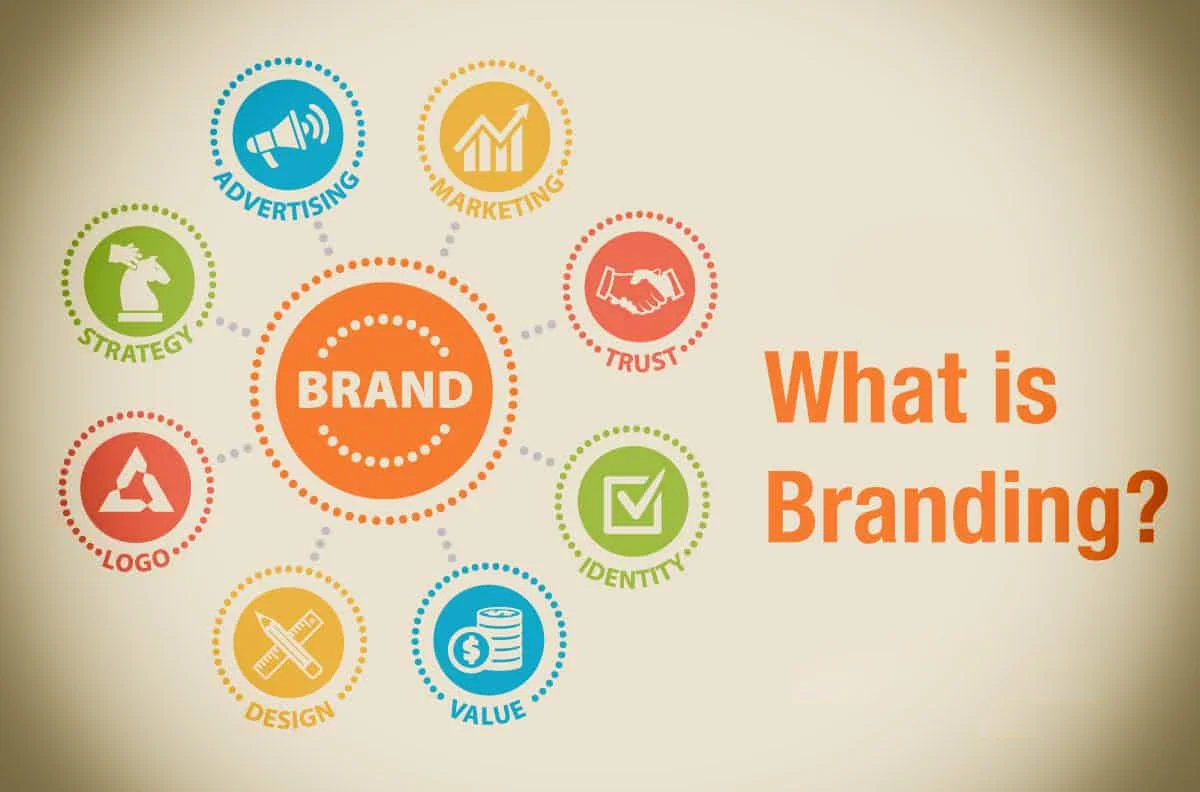
Establishing a strong brand identity is crucial for any business aiming to stand out in the competitive market. A well-defined brand identity shapes how customers perceive a brand, influences their buying decisions, and fosters loyalty. Key elements include the brand’s mission, values, visual identity, and the unique experiences it offers.A compelling brand identity not only captures attention but also communicates the essence of the brand to the target audience.
It should resonate not only with customers but also with the cultural and social dynamics of the community it serves. Below are vital aspects that contribute to a robust brand identity.
Elements Contributing to a Strong Brand Identity
Understanding the components that make up a solid brand identity is essential. Here are critical elements that should be considered:
- Logo: The visual symbol of the brand, which should be memorable and reflective of its values.
- Color Palette: The chosen colors evoke emotions and convey messages; consistency in color usage is vital.
- Typography: Fonts selected for branding should align with the brand’s personality and enhance readability.
- Tone of Voice: Consistent communication style that resonates with the target audience, whether it’s casual, formal, playful, or serious.
- Brand Story: A narrative that connects emotionally with consumers, showcasing the brand’s journey, mission, and values.
Each of these elements must work harmoniously to create a distinct identity that consumers can recognize and relate to.
Step-by-Step Guide for Developing a Branding Iron Design
Creating a branding iron design involves careful planning and creativity to ensure it aligns with brand identity. Here’s a systematic approach:
- Define the Brand’s Core Values: Identify what the brand stands for and how it wishes to be perceived.
- Research Competitors: Analyze branding strategies of similar brands to identify gaps and opportunities.
- Sketch Initial Concepts: Create rough sketches of branding iron designs that visualize the brand’s identity.
- Select Design Elements: Choose the logo, font, and any additional graphics that will represent the brand.
- Obtain Feedback: Share designs with stakeholders and target audience for input and make necessary adjustments.
- Finalize Design: Ensure the design is scalable and fits well with the intended branding iron specifications.
- Produce the Branding Iron: Work with manufacturers to create a high-quality branding iron based on the final design.
This guide ensures that the branding iron effectively communicates the desired brand image.
Incorporating Local Culture and Traditions into Branding Efforts
Integrating local culture and traditions into branding efforts can enhance a brand’s connection with its community. This authenticity fosters loyalty and sets the brand apart. Here’s how to effectively incorporate local elements:
- Research Local History: Understand and respect the historical context of the area and how it shapes local identity.
- Feature Local Artisans: Collaborate with local artists and craftsmen in the creation of branding materials to reflect community talent.
- Use Local Symbols: Incorporate symbols or motifs that resonate with the local culture into the branding design.
- Engage in Community Events: Participate in or sponsor local events to show commitment to the community and strengthen brand presence.
- Highlight Regional Materials: Utilize locally sourced materials in product packaging or branding to emphasize sustainability and support local economies.
By weaving local culture into branding, businesses can create a deeper emotional connection with their audience while celebrating the uniqueness of their community.
Marketing Strategies for Branding Irons
Effective marketing strategies are essential for promoting branding irons, helping businesses capture the essence of their products while appealing to target consumers. A thorough understanding of market dynamics, customer preferences, and branding principles can lead to successful outreach and sales.In the realm of branding irons, it is crucial to position these tools not just as products but as essential items that enhance personalization and branding efforts for various industries.
By identifying key target audiences, businesses can tailor their marketing strategies to resonate with specific consumer needs and preferences. This approach increases engagement and drives sales, establishing a solid customer base.
Targeting Specific Audiences for Branding Iron Products
To effectively market branding irons, it is vital to identify and understand the specific audiences that will benefit most from these products. Targeting can be refined based on industry, consumer behavior, and branding needs. Consider the following groups as potential target audiences:
- Small Business Owners: Entrepreneurs seeking to personalize their brand with logos or names on products.
- Artisans and Crafters: Individuals in crafts who desire custom branding for their handmade goods.
- Agricultural Sector: Farmers and ranchers looking to brand livestock or equipment with their logos.
- Corporate Gifting: Companies seeking unique branding solutions for promotional items or gifts.
Understanding these audiences allows for tailored messaging and marketing tactics that speak directly to their needs, thereby enhancing the effectiveness of outreach.
Organizing a Promotional Campaign for a Branding Iron Business
Planning a promotional campaign for branding iron products requires a strategic approach that integrates various marketing channels. A well-structured campaign can elevate brand visibility and drive customer interest.Key steps to consider when organizing a promotional campaign include:
1. Define Campaign Goals
Establish clear objectives, such as increasing brand awareness, driving sales, or launching a new product line.
2. Develop a Unique Selling Proposition (USP)
Highlight what sets your branding irons apart from competitors, such as customization options, materials used, or usage benefits.
3. Choose Marketing Channels
Select appropriate channels for reaching your audience, such as social media, email marketing, or trade shows.
4. Engage Through Content Marketing
Create engaging content that showcases branding iron applications, customer testimonials, or unique crafting ideas. This could include blog posts, videos, and infographics.
5. Utilize Social Proof
Encourage satisfied customers to share their experiences through reviews and social media posts. Sharing user-generated content can build trust and credibility.
6. Implement Promotions and Discounts
Offer limited-time discounts or bundles to encourage immediate purchases and enhance perceived value.
Effective campaigns combine targeted messaging and promotion strategies, leading to increased engagement and brand loyalty.
By focusing on these strategies, a branding iron business can create a promotional campaign that resonates with its target audience and drives sales growth.
The Impact of Branding on Consumer Behavior
Branding plays a crucial role in shaping consumer preferences and loyalty in today’s competitive market. A strong brand can cultivate a sense of trust and familiarity, significantly influencing purchasing decisions. This effect is particularly evident in the outdoor recreation industry, where brands often evoke a lifestyle, catering to the aspirations of their customers.Branding shapes consumer behavior by creating an emotional connection between the brand and its customers.
This connection fosters loyalty, encouraging repeat purchases and positive word-of-mouth recommendations. When consumers identify with a brand’s values and mission, they are more likely to choose that brand over competitors. Effective branding can also simplify the decision-making process, as consumers often rely on brand reputation as a heuristic for quality and reliability.
Influence of Branding on Consumer Choices and Loyalty
The influence of branding on consumer choices is multifaceted. Well-established brands often enjoy a competitive advantage due to consumer trust and recognition. Consider the following factors that contribute to this influence:
- Brand Recognition: Familiarity with a brand can lead to a sense of ease in purchasing decisions. Studies show that consumers tend to favor brands they recognize because they associate them with positive past experiences.
- Emotional Connection: Brands that resonate emotionally with consumers can foster deeper loyalty. Brands like Patagonia and The North Face not only sell products; they promote lifestyles that align with environmental consciousness and outdoor adventure.
- Social Proof: Consumers often look to peers and influencers when making purchasing decisions. A strong brand presence on social media platforms can create a sense of community, encouraging consumers to align with brands they see others resonating with.
Case Studies in the Outdoor Recreation Industry
Several brands in the outdoor recreation industry have successfully leveraged branding to boost consumer loyalty and engagement:
- Patagonia: This brand is renowned for its commitment to environmental sustainability. By positioning itself as a leader in eco-friendly practices, Patagonia has developed a loyal customer base that strongly identifies with its mission. The company’s “Don’t Buy This Jacket” campaign effectively encouraged consumers to consider the environmental impact of their purchases, reinforcing brand loyalty among eco-conscious consumers.
- REI: Known for its member-driven approach, REI fosters strong loyalty by creating a community among outdoor enthusiasts. The company’s co-op model incentivizes membership through profit-sharing and exclusive access to events, which enhances customer engagement and retention.
- The North Face: By sponsoring athletes and outdoor events, The North Face builds credibility and excitement around its products. This strategy not only showcases the brand’s commitment to high performance but also cultivates a community of passionate adventurers who advocate for the brand.
Comparison of Traditional and Digital Branding Methods
The rise of digital marketing has transformed how brands engage with consumers. Traditional branding methods, such as print advertising and television commercials, have distinct features that differ from contemporary digital strategies:
- Reach: Traditional methods often offer broad reach but lack the targeted approach that digital platforms provide. Digital branding allows brands to reach specific demographics through social media, email marketing, and search engine optimization.
- Engagement: Digital branding fosters two-way communication, enabling brands to interact with consumers in real time. Traditional branding typically employs a one-way communication model, where brands broadcast messages without immediate feedback.
- Cost-Effectiveness: Digital branding often presents a more cost-effective solution compared to traditional media. Brands can track their return on investment (ROI) through analytics, allowing for more informed decision-making regarding marketing budgets.
In summary, branding significantly impacts consumer behavior by shaping preferences and fostering loyalty, particularly in the outdoor recreation sector. Successful brands leverage both traditional and digital methods to create engaging connections with their audience, ultimately influencing consumer choices in their favor.
Trends in Branding and Design
In today’s competitive landscape, branding in the outdoor industry is evolving to reflect contemporary aesthetics and consumer preferences. This evolution is driven by advancements in technology, shifts in consumer behavior, and the growing emphasis on sustainability. By staying ahead of these trends, brands like Branding Iron at Grand Targhee can create visually appealing identities that resonate with their audiences and effectively convey their values.One significant trend in branding iron designs is the use of minimalistic aesthetics, which embraces simplicity and clarity.
Brands are increasingly opting for clean lines, straightforward typography, and a limited color palette that communicates their message without unnecessary clutter. This trend is often paired with earthy tones and nature-inspired designs that reflect the outdoor lifestyle. Additionally, innovative branding ideas such as interactive designs that encourage consumer engagement have emerged, creating memorable experiences for customers that go beyond traditional branding.
Current Trends in Branding Iron Designs and Aesthetics
The current trends in branding iron design are heavily influenced by consumer preferences for authenticity and sustainability. These trends can be categorized into several key areas:
- Nature-Inspired Colors and Materials: Brands are incorporating natural colors and biodegradable materials into their branding, appealing to eco-conscious consumers.
- Typography and Custom Fonts: Unique, custom fonts are being used to create a distinctive brand personality, often reflecting the ruggedness of outdoor adventure.
- Geometric Shapes and Patterns: Geometric elements in branding iron designs are popular for their modern appeal, providing a sense of structure and clarity.
Innovative Branding Ideas
In recent years, several innovative branding strategies have emerged that push the boundaries of traditional branding. These innovative ideas not only capture attention but also foster deeper connections with consumers:
- Augmented Reality Experiences: Brands are utilizing AR technology to create interactive experiences that allow customers to visualize products in their real-world settings.
- Storytelling Through Design: Many successful brands are telling their story through their branding iron designs, using imagery and text that reflect their heritage and mission.
- Collaborations with Local Artists: Partnering with local artists for limited-edition branding designs helps brands connect with their community and create unique, culturally relevant products.
Best Practices for Modern Branding in the Outdoor Industry
To effectively navigate the evolving landscape of outdoor branding, companies should adhere to several best practices that enhance their brand identity and consumer engagement:
- Consistency Across Platforms: Ensure that brand messaging and visuals are consistent across all marketing channels, including social media, print, and product design.
- Emphasize Authenticity: Showcase genuine stories and experiences that align with consumers’ values, reinforcing a sense of trust and loyalty.
- Focus on Sustainability: Integrate sustainable practices into branding strategies, from product materials to packaging, to resonate with environmentally conscious consumers.
- Leverage Social Media Engagement: Utilize social media platforms not just for promotion but to foster community and encourage user-generated content that showcases real-life brand interactions.
- Experiment with Design Trends: Stay up-to-date with design trends while incorporating unique elements that differentiate the brand from competitors.
Sustainability in Branding
Sustainability has become a foundational pillar in modern branding practices. As consumers increasingly prioritize environmental responsibility, brands that adopt sustainable practices resonate better with their audience. This shift not only enhances brand loyalty but also positions companies as leaders in their respective industries. Embracing sustainability in branding is not merely a trend; it reflects a commitment to social responsibility and ethical practices.Incorporating sustainability into branding requires thoughtful consideration and a strategic approach.
Eco-friendly materials and practices significantly contribute to a brand’s identity, establishing a narrative that aligns with the values of environmentally-conscious consumers. Brands that prioritize sustainability often see a positive impact on customer perception and engagement, allowing them to differentiate themselves in a competitive market.
Eco-Friendly Materials and Practices
Utilizing eco-friendly materials and practices is essential for brands aiming to achieve sustainability. The choice of materials can significantly influence a brand’s environmental impact, and this can extend to the creation of branding irons. Here are some eco-friendly materials and practices that can be adopted:
- Recycled Metals: Sourcing branding irons made from recycled metals minimizes waste and reduces the need for new raw materials, thus lowering the carbon footprint.
- Plant-Based Inks: Using inks derived from sustainable sources, such as vegetable oils, for branding on products can significantly reduce harmful emissions during production.
- Bamboo Branding Irons: Bamboo is a rapidly renewable resource that can be used for branding tools, offering a sustainable alternative to traditional wood.
- Energy-Efficient Production: Implementing energy-efficient manufacturing processes ensures that the production of branding irons consumes less energy, further reducing environmental impact.
Brands Incorporating Sustainability
Several brands have successfully integrated sustainability into their branding efforts, setting benchmarks for others in the industry. These brands demonstrate how sustainability can be a core element of their identity while achieving commercial success. Here are notable examples:
- Patagonia: This outdoor clothing brand is renowned for its commitment to environmental sustainability. They use recycled materials in their products and donate a percentage of sales to environmental causes.
- TOMS: Known for its “One for One” model, TOMS has expanded its focus on sustainability by using eco-friendly materials and practices in its product line.
- Seventh Generation: A leader in household and personal care products, Seventh Generation emphasizes plant-based ingredients and sustainable packaging, promoting consumer health and environmental stewardship.
“Sustainable branding is not just about reducing harm; it’s about creating a positive impact.”
These brands exemplify how a commitment to sustainability can enhance brand reputation, foster customer loyalty, and contribute to a healthier planet.
End of Discussion
In conclusion, the branding iron grand targhee reflects not just a tool for marking but a vital element in building a robust brand identity. By integrating sustainability, marketing strategies, and local culture, businesses can cultivate strong connections with their customers. Ultimately, understanding and effectively implementing branding techniques will empower brands to not only engage consumers but also foster loyalty that endures over time.
Question & Answer Hub
What is the historical significance of branding irons?
Branding irons have been used for centuries to mark livestock as a means of identification, representing ownership and heritage.
What materials are typically used in making branding irons?
Branding irons are often made from metals like steel or brass, which can withstand high temperatures necessary for branding.
How does Grand Targhee Resort utilize its geography in branding?
Grand Targhee Resort leverages its stunning mountain landscapes and natural beauty in its branding efforts to attract outdoor enthusiasts.
What marketing strategies are effective for selling branding irons?
Effective strategies include targeting niche markets, utilizing social media for visibility, and highlighting the craftsmanship and quality of the products.
Why is sustainability important in branding practices?
Sustainability is crucial as it appeals to environmentally conscious consumers, helping brands build trust and loyalty through responsible practices.