June 2, 2026

branding

Design notebooks are more than just sketchpads; they’re dynamic tools for creative exploration and strategic thinking. From capturing fleeting ideas to meticulously documenting branding strategies, these notebooks are indispensable companions for designers across diverse fields. This guide delves into the multifaceted world of design notebooks, examining their various types, uses, and organizational strategies.

Understanding how to effectively use a design notebook is key to unlocking your creative potential. This guide will explore the practical applications of design notebooks, from brainstorming and concept development to supporting branding initiatives. Whether you’re a seasoned professional or a budding artist, this resource provides valuable insights for leveraging design notebooks to achieve your creative goals.

Defining Design Notebooks

A design notebook is a crucial tool for creatives, acting as a repository for ideas, sketches, and observations. It’s more than just a pad of paper; it’s a dynamic space where inspiration takes shape, fostering a connection between the mind and the creative process. These notebooks are invaluable in translating abstract concepts into tangible designs, capturing fleeting insights, and documenting the evolution of a project.Design notebooks are versatile tools that can be adapted to various creative fields and personal preferences.

Their adaptability lies in their ability to capture the unique visual language and working style of the designer. Different formats and media options cater to the diverse needs of artists, architects, and product designers, each serving a specific purpose in the creative journey.

Types of Design Notebooks

Design notebooks encompass a range of formats, each with its unique strengths. From traditional sketchbooks to digital alternatives, these tools cater to diverse preferences and working styles. Sketchbooks, journals, and digital notebooks are the most common types, each offering distinct advantages for different tasks.

  • Sketchbooks: These are typically large-format notebooks filled with blank paper, ideal for capturing quick sketches, brainstorming ideas, and experimenting with different visual approaches. The emphasis is on free-flowing expression and capturing immediate visual ideas. The blank canvas allows for quick exploration and exploration of forms and concepts. Sketchbooks are especially useful in fields like architecture, fashion design, and product design where visual representation is crucial.

  • Journals: These notebooks are often smaller and more structured, providing space for written notes, descriptions, research, and personal reflections alongside sketches. They are useful for documenting design processes, recording inspirations, and connecting the visual and conceptual aspects of a design project. The combination of visual and textual notes makes them particularly beneficial in fields like graphic design and interior design where detailed documentation is essential.

  • Digital Notebooks: Digital design notebooks offer a versatile and increasingly popular alternative. They use software or dedicated apps to capture sketches, notes, and images digitally. They allow for easy editing, collaboration, and sharing of design ideas. Digital tools offer flexibility in terms of file management and access across devices, making them useful for projects involving multiple designers or collaborators.

    Their adaptability and ease of use are beneficial to modern design practices.

Uses of Design Notebooks Across Creative Fields

Design notebooks are fundamental tools across various creative disciplines, from architecture to fashion. Their diverse applications reflect the multifaceted nature of creative problem-solving.

  • Architecture: Architects use design notebooks to visualize building layouts, explore different design options, and document the evolution of a project. They capture perspectives, create mood boards, and note important details, ultimately translating ideas into concrete structures. Detailed drawings and technical notes are crucial in this field.
  • Fashion Design: Fashion designers utilize design notebooks to sketch garment designs, explore fabric textures, and record color palettes. The notebooks are a visual diary of the design process, capturing inspiration and ideas. They serve as a vital tool for translating concepts into garments and showcasing designs to clients and collaborators.
  • Product Design: Product designers use design notebooks to brainstorm concepts, document technical specifications, and develop prototypes. They capture sketches, diagrams, and user feedback, transforming abstract ideas into functional products. The iterative nature of product design is well-suited to the flexibility of a design notebook.

Examples of Notable Design Notebooks Used by Prominent Designers

Many prominent designers have utilized design notebooks as indispensable tools in their creative process. The unique approaches and styles reflected in these notebooks showcase the diverse ways design notebooks are used.

  • Le Corbusier: Known for his meticulous architectural sketches, his notebooks often showcased detailed drawings, notes, and ideas, revealing his thought process and design language. His notebooks reveal the evolution of his architectural style.
  • Coco Chanel: While not explicitly known for extensive notebook documentation, her notebooks likely contained sketches and ideas for clothing designs, crucial in the development of her fashion house’s iconic style. The notebooks would have served as crucial inspiration and documentation.
  • Steve Jobs: Jobs’s use of notebooks, though less documented than his architectural counterparts, likely involved sketching and brainstorming for Apple products, reflecting his design sensibilities and focus on user experience.

Significance of Design Notebooks in the Creative Process

Design notebooks are more than just a record of creative work; they are a vital part of the creative process itself. They foster a deeper connection with the creative work, encouraging exploration and innovation.

  • Idea Generation: The act of sketching or writing in a notebook sparks new ideas and encourages a more fluid creative process. The physical act of drawing or writing can trigger associations and novel perspectives.
  • Documentation and Tracking: Design notebooks serve as a detailed record of the creative journey, allowing designers to track the evolution of ideas and concepts over time. This documentation can be invaluable for future reference and project analysis.
  • Problem-Solving and Exploration: The exploration of different concepts and approaches in a notebook allows designers to effectively solve problems and explore a wide range of options. This process often leads to more innovative and creative solutions.

Comparison of Design Notebook Types

Feature Sketchbook Journal Digital Notebook
Medium Paper Paper/Digital Digital
Tools Pencils, pens, markers Pens, pencils, digital tools Stylus, digital tools
Portability High Medium High

Content & Organization within Design Notebooks

A well-organized design notebook is a crucial tool for any designer. It serves as a central repository for ideas, sketches, and research, facilitating the creative process and enabling easy retrieval of information. Effective organization within this notebook is key to its usefulness and efficiency. By establishing clear systems for recording and categorizing information, designers can access vital data quickly and effortlessly.Effective organization fosters a seamless transition between initial concepts and finalized designs.

This allows designers to track their progress, identify areas for improvement, and make informed decisions throughout the design process. This structured approach promotes clarity, enabling a more efficient and focused design journey.

Effective Methods for Organizing Ideas

Effective organization within a design notebook involves establishing a clear system for recording ideas, sketches, and notes. This systematic approach allows designers to retrieve and review information with ease. Visual aids, such as mind maps and idea clusters, help illustrate relationships between concepts. Implementing these methods streamlines the design process, improving the overall workflow.

  • Mind Mapping: Mind mapping is a visual technique for representing ideas in a hierarchical structure. It uses a central theme or concept, with associated ideas branching out from it. This method visually demonstrates the connections between different thoughts, enabling a more comprehensive understanding of the design problem.
  • Timeline: A timeline visually represents the sequence of events or steps in a design project. This method allows designers to track progress, identify potential delays, and adjust the design schedule accordingly. It facilitates a comprehensive overview of the design process from initial conception to finalization.
  • Idea Clustering: Idea clustering groups related ideas or concepts together. This technique facilitates the identification of themes and patterns, enabling a deeper understanding of the project. This method helps in connecting seemingly disparate elements, leading to novel solutions.

Strategies for Brainstorming and Recording Concepts

Effective brainstorming and recording techniques are essential for capturing ideas and concepts effectively. This involves utilizing various methods to document and categorize information efficiently. These methods enhance the overall design process, leading to more robust and innovative solutions.

  • Sketching: Sketching is a vital tool for visually representing ideas and concepts. It allows designers to explore different design options, experiment with shapes and forms, and quickly visualize potential solutions.
  • Note-Taking: Note-taking allows for detailed recording of ideas, insights, and observations. Using shorthand or abbreviations can help to save time and space within the notebook.
  • Image/Reference Collection: Collecting images or references related to the design project is crucial for inspiration and research. These visual aids provide context and guidance for developing ideas.

Labeling and Categorizing Design Elements

Labeling and categorizing design elements ensures that information is readily accessible and organized. Clear labeling systems allow designers to locate specific information quickly and efficiently. This streamlined approach significantly improves the design process, as it enables a structured and focused approach.

  • Descriptive Labels: Using descriptive labels for sketches, notes, and images helps in quickly identifying the content. This promotes clarity and facilitates efficient retrieval of information.
  • Color Coding: Color coding different categories of information allows for quick visual identification. This system facilitates a clear understanding of the different aspects of the project.
  • Tagging: Tagging elements with s or phrases facilitates searching and retrieval of related information. This system promotes efficient access to specific information relevant to a particular design aspect.

Incorporating Research and References

Incorporating research and references is critical for informed design decisions. This includes gathering data from various sources, including books, articles, and online resources. This method provides a strong foundation for creative problem-solving.

  • Citation Management: Employing a consistent citation system helps to maintain the accuracy and integrity of the research. This system enables quick and easy identification of the source material.
  • Source Organization: Organizing sources logically by project or category facilitates quick access to relevant information. This systematic approach promotes efficient use of research materials.
  • Annotations: Annotating research materials with personal insights and observations helps to synthesize information and connect it to the design project. This approach promotes a deeper understanding of the research material.

Maintaining Consistency in Style and Format

Maintaining consistency in style and format ensures that the design notebook remains organized and easily navigable. A standardized format allows for quick retrieval of information, enabling a more focused design process. A well-structured notebook enhances workflow and provides clarity in the overall project.

  • Font Selection: A consistent font selection enhances readability and visual appeal. This improves the user experience and helps in maintaining consistency.
  • Line Spacing and Margins: Consistent line spacing and margins enhance the readability of notes and sketches. This allows for easy review and reduces confusion.
  • Page Layout: A consistent page layout ensures a professional and organized presentation of ideas and information. This enhances the visual appeal of the notebook and improves its overall usability.

Note-Taking Methods

Different methods are available for note-taking in a design notebook. Each method has its own strengths and weaknesses, and the best method depends on the specific needs of the designer.

Method Description Example
Mind Mapping Visual representation of ideas, branching out ideas from a central theme Brainstorming different color palettes for a logo design
Timeline Sequence of events or steps Design process steps, from initial concept to final product
Idea Clustering Grouping related ideas Grouping related design concepts for a user interface

Design Notebook and Branding Strategy

A design notebook serves as a crucial tool for developing a cohesive branding strategy. It’s a dynamic space where ideas, concepts, and visual representations come to life, forming a tangible record of a brand’s evolution. This allows for a more comprehensive and consistent approach to building a strong brand identity.Design notebooks are instrumental in articulating a brand’s essence.

By visually documenting the brand’s values, target audience, and desired personality, the notebook fosters a deeper understanding of the brand’s unique position in the market. This process enables a more focused and strategic approach to branding.

Role in Brand Development

Design notebooks support various stages of brand development. They are not merely a repository of sketches but active participants in the creative process. From conceptualization to final execution, the notebook captures the journey of the brand’s evolution, making it easier to maintain consistency and track progress.

Stages of Brand Development and the Design Notebook

The design notebook acts as a versatile tool across different stages of brand development. It’s not just a passive record-keeper; it’s a living document that facilitates collaboration and fosters creativity.

  • Brand Discovery: This initial stage involves exploring brand values and defining the target audience. The design notebook acts as a space to brainstorm and sketch potential brand personas. This helps in identifying the core values that will shape the brand’s identity and resonate with the target audience.
  • Brand Messaging: The notebook serves as a central hub for defining the brand’s voice and tone. Recording messaging ideas, slogans, and key brand messages in the notebook ensures clarity and consistency in all future communications.
  • Brand Identity: This stage focuses on visualizing the brand’s visual elements. Sketches of logo concepts, color palettes, typography choices, and imagery styles are meticulously documented. This visual representation provides a clear and concise understanding of the brand’s aesthetic and ensures visual consistency across all platforms.

Elements Documented in a Design Notebook

A design notebook is a comprehensive record of all relevant aspects of a brand. This allows for easy access and reference when needed.

  • Brand Values: Core beliefs and principles that guide the brand’s actions and decisions.
  • Target Audience: Defining characteristics and needs of the ideal customer.
  • Brand Personality: Describing the brand’s character and emotional qualities.
  • Brand Voice and Tone: Defining the language and style used in communications.
  • Visual Identity Elements: Logo concepts, color palettes, typography choices, imagery styles.
  • Brand Messaging: Slogans, key messages, and communication strategies.

Informing Brand Guidelines

The design notebook meticulously documents all the decisions made during the branding process. This comprehensive record informs the development of brand guidelines, ensuring consistent application of the brand across all platforms.

Relationship Between Design Notebooks and Brand Development

The table below illustrates the role of a design notebook across various stages of brand development.

Stage Design Notebook Role Example
Brand Discovery Exploring brand values and target audience Sketching potential brand personas
Brand Messaging Defining brand voice and tone Recording messaging ideas in the notebook
Brand Identity Visualizing brand elements Sketching logo concepts and color palettes

Tools & Technologies for Design Notebooks

A crucial aspect of effective design thinking involves the tools and technologies used to document and organize ideas. The right tools can streamline the design process, enabling designers to capture inspirations, sketches, and insights efficiently. From physical sketchpads to digital software, a diverse range of options cater to varying design styles and workflows.The choice of tools depends on individual preferences, project requirements, and the designer’s existing skill set.

Understanding the advantages and disadvantages of each option is vital for selecting the most suitable tools for a given task. Digital tools often offer greater flexibility and organization, while physical tools can foster a more tactile and spontaneous approach.

Digital Tools for Design Notebooks

Digital tools provide a versatile platform for storing, organizing, and manipulating design ideas. Their ability to combine sketches, text, and images into a single document offers significant advantages for collaborative design processes. They also facilitate the easy sharing of design ideas with colleagues or clients.

  • Digital Painting Apps (e.g., Procreate): These applications offer a wide range of brush tools, colors, and layers, allowing designers to create detailed illustrations and visual concepts. Their intuitive interfaces and high-quality output make them popular choices for creating visual representations of ideas.
  • Vector Graphics Editors (e.g., Adobe Illustrator): These powerful software tools excel at creating scalable graphics and illustrations. Their precision and flexibility make them ideal for logo design, typography, and other projects demanding intricate details.
  • Digital Drawing Apps (e.g., Sketchbook Pro): These applications provide a more accessible entry point for digital drawing. They offer a user-friendly interface for sketching and capturing ideas, suitable for quick brainstorming sessions and rapid prototyping.
  • Cloud-Based Design Platforms: Platforms like Figma and Miro allow real-time collaboration and offer extensive features for digital sketching, wireframing, and design brainstorming. These platforms streamline communication and enable multiple designers to contribute to a project concurrently.

Physical Tools for Design Notebooks

Physical tools offer a hands-on approach to design, fostering a sense of creativity and tangible exploration. The tactile experience of using pens and paper can be conducive to spontaneous ideation and visual exploration.

  • Sketchbooks and Pads: A wide variety of sketchbooks and pads cater to different design needs. The quality of paper, size, and type of cover can influence the creative process. Notebooks with lined or gridded pages can help structure ideas, while blank pages offer greater freedom.
  • Pens and Pencils: Different types of pens and pencils have varying characteristics that influence the design process. Felt-tip pens, markers, and colored pencils offer vibrant colors and diverse textures. Pencils, in various grades, provide options for shading and creating nuanced drawings.
  • Erasers and Correction Tools: Essential for refining sketches and correcting mistakes, erasers and correction tools are indispensable in the design process. Various types and sizes of erasers cater to specific needs.

Comparison of Digital and Physical Design Notebooks

Digital and physical design notebooks cater to different preferences and workflows. Digital notebooks offer convenience, flexibility, and organization, while physical notebooks can be more tactile and spontaneous.

  • Digital Notebooks: Digital notebooks allow for easy storage, editing, and sharing of designs. They facilitate collaborative design processes, and their ability to combine images, text, and sketches makes them a versatile tool for various projects. However, they require digital devices and software, and their use may depend on the availability of internet connectivity.
  • Physical Notebooks: Physical notebooks allow for a hands-on approach to design, fostering a sense of creativity and tangible exploration. They can be more spontaneous and intuitive, promoting brainstorming and quick sketching. However, organizing and storing large quantities of physical designs can be cumbersome. The physical nature also limits collaborative efforts.

Benefits of Using Software for Design Notebooks

Software offers significant advantages for organizing and managing design notebooks. They facilitate the incorporation of digital media into design documents, creating more engaging and detailed presentations.

  • Organization and Management: Software enables the categorization and tagging of design elements, which makes searching for specific ideas much easier. The ability to save and organize various files, sketches, and references efficiently enhances the overall design process.
  • Collaboration: Software facilitates real-time collaboration among designers, allowing them to share ideas and feedback seamlessly. The ability to track changes and revisions throughout the design process improves team coordination.
  • Presentation and Sharing: Software tools allow for the creation of polished presentations from design sketches and ideas. This enables designers to effectively communicate their designs to clients or colleagues.

Digital Design Notebook Tools

This table summarizes some popular digital design notebook tools.

Tool Description Pros Cons
Procreate Digital painting app Intuitive interface, high quality Requires tablet/stylus
Adobe Illustrator Vector graphics editor Wide range of features Steeper learning curve
Sketchbook Pro Digital drawing app User-friendly interface Limited features compared to Illustrator

Design Notebook for Different Creative Fields

Design notebooks, while fundamentally similar in their function as a repository for ideas, exhibit nuanced differences in application across various creative disciplines. Understanding these distinctions reveals the versatility and adaptability of this tool, highlighting how design notebooks are not just for sketching, but for capturing a multitude of insights.Design notebooks serve as personalized idea generators and organizational tools, fostering creative thought and process documentation.

The specific methodologies employed and the types of information recorded vary significantly between disciplines, reflecting the unique demands of each field. These distinctions are further explored below, with particular attention paid to architecture, fashion, and product design.

Applications in Architecture

Architectural design notebooks often function as a primary method for documenting and developing spatial concepts. Architects utilize them to translate initial ideas into tangible representations, exploring different perspectives and detailing potential material choices. The focus is on spatial relationships, structural considerations, and evolving design iterations. Detailed sketches, annotated plans, and mood boards are typical entries, accompanied by notes on inspiration sources, client feedback, and evolving design choices.

Applications in Fashion

In fashion design, design notebooks serve as a vital tool for concept development and material exploration. They provide a platform for sketching garment designs, exploring different silhouettes, and documenting fabric swatches and color palettes. Fashion designers frequently use their notebooks to capture ideas sparked by trends, inspiration from different sources, or customer feedback. The visual element is paramount, often including detailed sketches of garments, alongside written notes on the concept, materials, and target audience.

Fashion design notebooks frequently include mood boards and fabric samples.

Applications in Product Design

Product design notebooks are used to brainstorm, document, and iterate on ideas for new products. The focus is on user experience, functionality, and aesthetics. Product designers employ sketches, wireframes, and annotated diagrams to visualize the product’s form and functionality, documenting potential interactions and user flows. Product design notebooks often incorporate user research findings, competitor analysis, and market trends.

These notebooks may also include 3D models or prototypes of components.

Comparative Analysis of Usage Across Fields

Field Primary Focus Typical Content Emphasis
Architecture Spatial relationships, structural concepts Sketches, annotated plans, mood boards Visual representation of space and form
Fashion Garment designs, materials, silhouettes Sketches, mood boards, fabric swatches Visual aesthetics, craftsmanship
Product Design User experience, functionality, aesthetics Sketches, wireframes, user flows Usability and practical application

These examples illustrate how design notebooks, though similar in their core function, adapt to the unique demands of different creative fields. The content and methods used are tailored to the specific goals and challenges of each discipline, ultimately serving as a valuable tool for creative exploration and documentation.

Conclusive Thoughts

In conclusion, design notebooks are powerful tools that extend far beyond simple note-taking. They’re adaptable to various creative disciplines, facilitating idea generation, organization, and strategic planning. This guide has explored the diverse uses and advantages of design notebooks, from sketching concepts to articulating brand identities. Whether digital or physical, a well-maintained design notebook can significantly enhance your creative process and contribute to successful outcomes.

Top FAQs

What are the key differences between a sketchbook and a journal?

Sketchbooks primarily focus on visual exploration, while journals can encompass both visual and textual content. Sketchbooks often emphasize freeform drawing and sketching, whereas journals are frequently used for detailed descriptions, reflections, and research notes.

How can I effectively organize my design notebook for long-term use?

Maintaining a consistent system for labeling, categorizing, and dating entries is crucial. Consider using a consistent folder structure, color-coding, or a system of tags to quickly locate specific information later.

What software can be used to create digital design notebooks?

Several software options exist, including Procreate for digital painting, Adobe Illustrator for vector graphics, and Sketchbook Pro for user-friendly drawing. The best choice depends on the specific needs and skills of the designer.

How can design notebooks be used to support the development of a brand’s visual identity?

Design notebooks can be used to capture initial concepts, logo ideas, color palettes, and typography explorations. These elements contribute to a cohesive brand aesthetic.
Branding iron grand targhee stands as a remarkable intersection of tradition and modern branding strategies. This distinctive tool not only marks livestock but also symbolizes the essence of a brand’s identity, especially in the breathtaking backdrop of Grand Targhee Resort. By marrying the rich history of branding irons with contemporary marketing techniques, businesses can create a lasting impression that resonates with their audience.

In exploring the concept of branding irons, we dive into their historical significance, the materials that bring them to life, and the various types available today. Additionally, we’ll uncover how Grand Targhee Resort utilizes its stunning geography to enhance its branding approach, ensuring that its unique identity stands out in the competitive outdoor recreation market.

Branding Iron Overview

Branding irons have served as powerful symbols of ownership and identity throughout history, particularly in agricultural and livestock communities. Initially crafted to mark animals, branding irons have evolved into tools representing various industries and crafts. Their significance stretches beyond mere practicality, often intertwining with cultural and historical narratives.The materials used in making branding irons are crucial for their effectiveness and durability.

Commonly, they are manufactured from metals such as steel and brass, which can withstand high temperatures without deforming. Steel, known for its strength and resistance to corrosion, is often preferred for its longevity. Brass, on the other hand, is renowned for its excellent thermal conductivity, allowing it to heat up quickly. Both materials can be shaped and designed to create unique branding patterns, reflecting the individuality of the brand being represented.

Types of Branding Irons

Branding irons come in various forms, tailored to meet specific needs in marking. Each type serves distinct purposes across different sectors. Below is an overview of the most common types of branding irons available in the market:

  • Hot Branding Irons: These are heated to a high temperature and applied directly to the surface being branded, usually livestock or wooden products. The heat creates a permanent mark.
  • Cold Branding Irons: Used primarily for livestock, cold branding irons are applied at lower temperatures. This method reduces pain and scarring, making it a more humane option.
  • Electric Branding Irons: These use electrical heating elements to reach the desired temperature quickly. They provide consistent heat and are often easier to use than traditional hot irons.
  • Custom Branding Irons: Many manufacturers offer the option to create custom designs or logos, allowing businesses to mark their products uniquely. These can be designed for both hot and cold branding.
  • Brass Branding Irons: Specifically designed for use on leather, brass irons create clear and detailed impressions without damaging the material.

Each type of branding iron is designed with specific applications in mind, ensuring that users can achieve clear, lasting marks tailored to their needs. The choice of branding iron largely depends on the material being marked, the required permanence of the mark, and the desired aesthetic outcome.

Grand Targhee Resort Branding

Grand Targhee Resort has cultivated a distinctive branding strategy that emphasizes its unique location, community engagement, and outdoor adventure offerings. Nestled in the majestic Teton Range, the resort captures the essence of mountain life, attracting visitors with a promise of thrilling winter sports and breathtaking summer activities. Their branding reflects a commitment to authenticity, promoting a genuine connection with nature and the local environment.

Branding Strategy and Geographical Features

The branding strategy at Grand Targhee Resort intricately weaves together its geographical features and the experiences it offers. The resort leverages the stunning backdrop of the Teton Mountains, which not only serves as a picturesque setting but also reinforces the brand’s identity as a premier destination for outdoor enthusiasts. The resort emphasizes values such as sustainability, community, and adventure, appealing to visitors looking for a meaningful connection to the natural world.

Grand Targhee’s branding materials effectively communicate these attributes. For instance, they utilize vibrant visuals and engaging narratives in their promotional materials that showcase the resort’s scenic landscapes, powder-filled slopes, and vibrant wildlife. This approach allows potential visitors to envision their experience before they even arrive.

Examples of Grand Targhee’s branding materials include:

  • Brochures and Guides: These feature high-quality imagery of the resort’s offerings, from skiing in deep powder during winter to hiking trails adorned with wildflowers in summer, reflecting the year-round adventure possibilities.
  • Social Media Campaigns: The resort actively engages with its audience through platforms like Instagram and Facebook, sharing stunning photos and stories that capture the spirit of the adventure and community, further enhancing brand loyalty.
  • Merchandise: Grand Targhee offers branded apparel and gear that not only serve as souvenirs but also promote the brand. Items like ski jackets, hats, and water bottles often feature the resort’s logo and are designed with eco-friendly materials, aligning with their sustainability goals.

The synergy between Grand Targhee’s branding and its geographical features allows the resort to stand out in a competitive market, creating a unique identity that resonates with visitors and enhances their overall experience.

Crafting a Unique Brand Identity

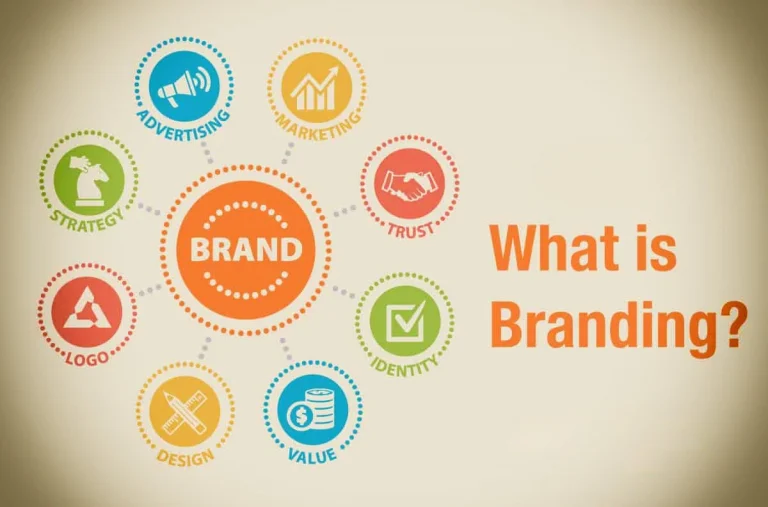
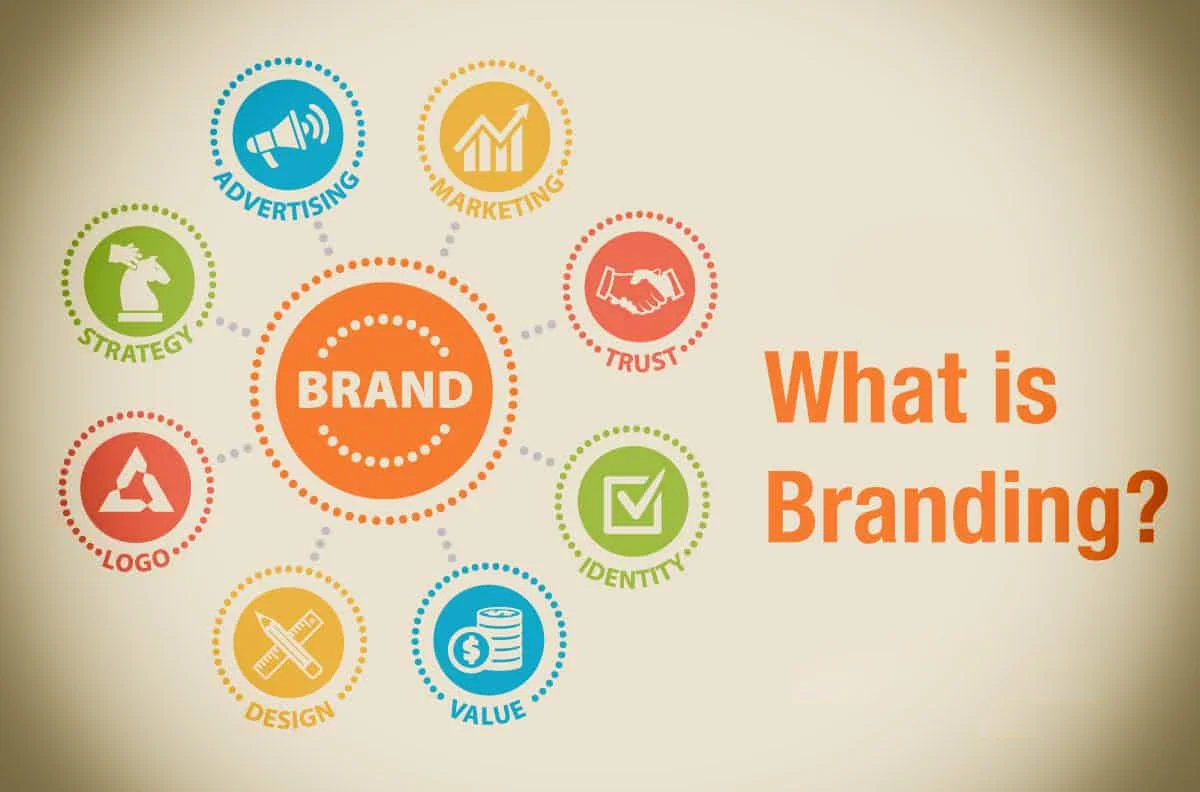
Demystifying Brand Analysis vs. Brand Strategy: A Comprehensive Guide ...

Establishing a strong brand identity is crucial for any business aiming to stand out in the competitive market. A well-defined brand identity shapes how customers perceive a brand, influences their buying decisions, and fosters loyalty. Key elements include the brand’s mission, values, visual identity, and the unique experiences it offers.A compelling brand identity not only captures attention but also communicates the essence of the brand to the target audience.

It should resonate not only with customers but also with the cultural and social dynamics of the community it serves. Below are vital aspects that contribute to a robust brand identity.

Elements Contributing to a Strong Brand Identity

Understanding the components that make up a solid brand identity is essential. Here are critical elements that should be considered:

  • Logo: The visual symbol of the brand, which should be memorable and reflective of its values.
  • Color Palette: The chosen colors evoke emotions and convey messages; consistency in color usage is vital.
  • Typography: Fonts selected for branding should align with the brand’s personality and enhance readability.
  • Tone of Voice: Consistent communication style that resonates with the target audience, whether it’s casual, formal, playful, or serious.
  • Brand Story: A narrative that connects emotionally with consumers, showcasing the brand’s journey, mission, and values.

Each of these elements must work harmoniously to create a distinct identity that consumers can recognize and relate to.

Step-by-Step Guide for Developing a Branding Iron Design

Creating a branding iron design involves careful planning and creativity to ensure it aligns with brand identity. Here’s a systematic approach:

  1. Define the Brand’s Core Values: Identify what the brand stands for and how it wishes to be perceived.
  2. Research Competitors: Analyze branding strategies of similar brands to identify gaps and opportunities.
  3. Sketch Initial Concepts: Create rough sketches of branding iron designs that visualize the brand’s identity.
  4. Select Design Elements: Choose the logo, font, and any additional graphics that will represent the brand.
  5. Obtain Feedback: Share designs with stakeholders and target audience for input and make necessary adjustments.
  6. Finalize Design: Ensure the design is scalable and fits well with the intended branding iron specifications.
  7. Produce the Branding Iron: Work with manufacturers to create a high-quality branding iron based on the final design.

This guide ensures that the branding iron effectively communicates the desired brand image.

Incorporating Local Culture and Traditions into Branding Efforts

Integrating local culture and traditions into branding efforts can enhance a brand’s connection with its community. This authenticity fosters loyalty and sets the brand apart. Here’s how to effectively incorporate local elements:

  • Research Local History: Understand and respect the historical context of the area and how it shapes local identity.
  • Feature Local Artisans: Collaborate with local artists and craftsmen in the creation of branding materials to reflect community talent.
  • Use Local Symbols: Incorporate symbols or motifs that resonate with the local culture into the branding design.
  • Engage in Community Events: Participate in or sponsor local events to show commitment to the community and strengthen brand presence.
  • Highlight Regional Materials: Utilize locally sourced materials in product packaging or branding to emphasize sustainability and support local economies.

By weaving local culture into branding, businesses can create a deeper emotional connection with their audience while celebrating the uniqueness of their community.

Marketing Strategies for Branding Irons

Effective marketing strategies are essential for promoting branding irons, helping businesses capture the essence of their products while appealing to target consumers. A thorough understanding of market dynamics, customer preferences, and branding principles can lead to successful outreach and sales.In the realm of branding irons, it is crucial to position these tools not just as products but as essential items that enhance personalization and branding efforts for various industries.

By identifying key target audiences, businesses can tailor their marketing strategies to resonate with specific consumer needs and preferences. This approach increases engagement and drives sales, establishing a solid customer base.

Targeting Specific Audiences for Branding Iron Products

To effectively market branding irons, it is vital to identify and understand the specific audiences that will benefit most from these products. Targeting can be refined based on industry, consumer behavior, and branding needs. Consider the following groups as potential target audiences:

  • Small Business Owners: Entrepreneurs seeking to personalize their brand with logos or names on products.
  • Artisans and Crafters: Individuals in crafts who desire custom branding for their handmade goods.
  • Agricultural Sector: Farmers and ranchers looking to brand livestock or equipment with their logos.
  • Corporate Gifting: Companies seeking unique branding solutions for promotional items or gifts.

Understanding these audiences allows for tailored messaging and marketing tactics that speak directly to their needs, thereby enhancing the effectiveness of outreach.

Organizing a Promotional Campaign for a Branding Iron Business

Planning a promotional campaign for branding iron products requires a strategic approach that integrates various marketing channels. A well-structured campaign can elevate brand visibility and drive customer interest.Key steps to consider when organizing a promotional campaign include:

1. Define Campaign Goals

Establish clear objectives, such as increasing brand awareness, driving sales, or launching a new product line.

2. Develop a Unique Selling Proposition (USP)

Highlight what sets your branding irons apart from competitors, such as customization options, materials used, or usage benefits.

3. Choose Marketing Channels

Select appropriate channels for reaching your audience, such as social media, email marketing, or trade shows.

4. Engage Through Content Marketing

Create engaging content that showcases branding iron applications, customer testimonials, or unique crafting ideas. This could include blog posts, videos, and infographics.

5. Utilize Social Proof

Encourage satisfied customers to share their experiences through reviews and social media posts. Sharing user-generated content can build trust and credibility.

6. Implement Promotions and Discounts

Offer limited-time discounts or bundles to encourage immediate purchases and enhance perceived value.

Effective campaigns combine targeted messaging and promotion strategies, leading to increased engagement and brand loyalty.

By focusing on these strategies, a branding iron business can create a promotional campaign that resonates with its target audience and drives sales growth.

The Impact of Branding on Consumer Behavior

Branding plays a crucial role in shaping consumer preferences and loyalty in today’s competitive market. A strong brand can cultivate a sense of trust and familiarity, significantly influencing purchasing decisions. This effect is particularly evident in the outdoor recreation industry, where brands often evoke a lifestyle, catering to the aspirations of their customers.Branding shapes consumer behavior by creating an emotional connection between the brand and its customers.

This connection fosters loyalty, encouraging repeat purchases and positive word-of-mouth recommendations. When consumers identify with a brand’s values and mission, they are more likely to choose that brand over competitors. Effective branding can also simplify the decision-making process, as consumers often rely on brand reputation as a heuristic for quality and reliability.

Influence of Branding on Consumer Choices and Loyalty

The influence of branding on consumer choices is multifaceted. Well-established brands often enjoy a competitive advantage due to consumer trust and recognition. Consider the following factors that contribute to this influence:

  • Brand Recognition: Familiarity with a brand can lead to a sense of ease in purchasing decisions. Studies show that consumers tend to favor brands they recognize because they associate them with positive past experiences.
  • Emotional Connection: Brands that resonate emotionally with consumers can foster deeper loyalty. Brands like Patagonia and The North Face not only sell products; they promote lifestyles that align with environmental consciousness and outdoor adventure.
  • Social Proof: Consumers often look to peers and influencers when making purchasing decisions. A strong brand presence on social media platforms can create a sense of community, encouraging consumers to align with brands they see others resonating with.

Case Studies in the Outdoor Recreation Industry

Several brands in the outdoor recreation industry have successfully leveraged branding to boost consumer loyalty and engagement:

  • Patagonia: This brand is renowned for its commitment to environmental sustainability. By positioning itself as a leader in eco-friendly practices, Patagonia has developed a loyal customer base that strongly identifies with its mission. The company’s “Don’t Buy This Jacket” campaign effectively encouraged consumers to consider the environmental impact of their purchases, reinforcing brand loyalty among eco-conscious consumers.
  • REI: Known for its member-driven approach, REI fosters strong loyalty by creating a community among outdoor enthusiasts. The company’s co-op model incentivizes membership through profit-sharing and exclusive access to events, which enhances customer engagement and retention.
  • The North Face: By sponsoring athletes and outdoor events, The North Face builds credibility and excitement around its products. This strategy not only showcases the brand’s commitment to high performance but also cultivates a community of passionate adventurers who advocate for the brand.

Comparison of Traditional and Digital Branding Methods

The rise of digital marketing has transformed how brands engage with consumers. Traditional branding methods, such as print advertising and television commercials, have distinct features that differ from contemporary digital strategies:

  • Reach: Traditional methods often offer broad reach but lack the targeted approach that digital platforms provide. Digital branding allows brands to reach specific demographics through social media, email marketing, and search engine optimization.
  • Engagement: Digital branding fosters two-way communication, enabling brands to interact with consumers in real time. Traditional branding typically employs a one-way communication model, where brands broadcast messages without immediate feedback.
  • Cost-Effectiveness: Digital branding often presents a more cost-effective solution compared to traditional media. Brands can track their return on investment (ROI) through analytics, allowing for more informed decision-making regarding marketing budgets.

In summary, branding significantly impacts consumer behavior by shaping preferences and fostering loyalty, particularly in the outdoor recreation sector. Successful brands leverage both traditional and digital methods to create engaging connections with their audience, ultimately influencing consumer choices in their favor.

Trends in Branding and Design

In today’s competitive landscape, branding in the outdoor industry is evolving to reflect contemporary aesthetics and consumer preferences. This evolution is driven by advancements in technology, shifts in consumer behavior, and the growing emphasis on sustainability. By staying ahead of these trends, brands like Branding Iron at Grand Targhee can create visually appealing identities that resonate with their audiences and effectively convey their values.One significant trend in branding iron designs is the use of minimalistic aesthetics, which embraces simplicity and clarity.

Brands are increasingly opting for clean lines, straightforward typography, and a limited color palette that communicates their message without unnecessary clutter. This trend is often paired with earthy tones and nature-inspired designs that reflect the outdoor lifestyle. Additionally, innovative branding ideas such as interactive designs that encourage consumer engagement have emerged, creating memorable experiences for customers that go beyond traditional branding.

Current Trends in Branding Iron Designs and Aesthetics

The current trends in branding iron design are heavily influenced by consumer preferences for authenticity and sustainability. These trends can be categorized into several key areas:

  • Nature-Inspired Colors and Materials: Brands are incorporating natural colors and biodegradable materials into their branding, appealing to eco-conscious consumers.
  • Typography and Custom Fonts: Unique, custom fonts are being used to create a distinctive brand personality, often reflecting the ruggedness of outdoor adventure.
  • Geometric Shapes and Patterns: Geometric elements in branding iron designs are popular for their modern appeal, providing a sense of structure and clarity.

Innovative Branding Ideas

In recent years, several innovative branding strategies have emerged that push the boundaries of traditional branding. These innovative ideas not only capture attention but also foster deeper connections with consumers:

  • Augmented Reality Experiences: Brands are utilizing AR technology to create interactive experiences that allow customers to visualize products in their real-world settings.
  • Storytelling Through Design: Many successful brands are telling their story through their branding iron designs, using imagery and text that reflect their heritage and mission.
  • Collaborations with Local Artists: Partnering with local artists for limited-edition branding designs helps brands connect with their community and create unique, culturally relevant products.

Best Practices for Modern Branding in the Outdoor Industry

To effectively navigate the evolving landscape of outdoor branding, companies should adhere to several best practices that enhance their brand identity and consumer engagement:

  • Consistency Across Platforms: Ensure that brand messaging and visuals are consistent across all marketing channels, including social media, print, and product design.
  • Emphasize Authenticity: Showcase genuine stories and experiences that align with consumers’ values, reinforcing a sense of trust and loyalty.
  • Focus on Sustainability: Integrate sustainable practices into branding strategies, from product materials to packaging, to resonate with environmentally conscious consumers.
  • Leverage Social Media Engagement: Utilize social media platforms not just for promotion but to foster community and encourage user-generated content that showcases real-life brand interactions.
  • Experiment with Design Trends: Stay up-to-date with design trends while incorporating unique elements that differentiate the brand from competitors.

Sustainability in Branding

Sustainability has become a foundational pillar in modern branding practices. As consumers increasingly prioritize environmental responsibility, brands that adopt sustainable practices resonate better with their audience. This shift not only enhances brand loyalty but also positions companies as leaders in their respective industries. Embracing sustainability in branding is not merely a trend; it reflects a commitment to social responsibility and ethical practices.Incorporating sustainability into branding requires thoughtful consideration and a strategic approach.

Eco-friendly materials and practices significantly contribute to a brand’s identity, establishing a narrative that aligns with the values of environmentally-conscious consumers. Brands that prioritize sustainability often see a positive impact on customer perception and engagement, allowing them to differentiate themselves in a competitive market.

Eco-Friendly Materials and Practices

Utilizing eco-friendly materials and practices is essential for brands aiming to achieve sustainability. The choice of materials can significantly influence a brand’s environmental impact, and this can extend to the creation of branding irons. Here are some eco-friendly materials and practices that can be adopted:

  • Recycled Metals: Sourcing branding irons made from recycled metals minimizes waste and reduces the need for new raw materials, thus lowering the carbon footprint.
  • Plant-Based Inks: Using inks derived from sustainable sources, such as vegetable oils, for branding on products can significantly reduce harmful emissions during production.
  • Bamboo Branding Irons: Bamboo is a rapidly renewable resource that can be used for branding tools, offering a sustainable alternative to traditional wood.
  • Energy-Efficient Production: Implementing energy-efficient manufacturing processes ensures that the production of branding irons consumes less energy, further reducing environmental impact.

Brands Incorporating Sustainability

Several brands have successfully integrated sustainability into their branding efforts, setting benchmarks for others in the industry. These brands demonstrate how sustainability can be a core element of their identity while achieving commercial success. Here are notable examples:

  • Patagonia: This outdoor clothing brand is renowned for its commitment to environmental sustainability. They use recycled materials in their products and donate a percentage of sales to environmental causes.
  • TOMS: Known for its “One for One” model, TOMS has expanded its focus on sustainability by using eco-friendly materials and practices in its product line.
  • Seventh Generation: A leader in household and personal care products, Seventh Generation emphasizes plant-based ingredients and sustainable packaging, promoting consumer health and environmental stewardship.

“Sustainable branding is not just about reducing harm; it’s about creating a positive impact.”

These brands exemplify how a commitment to sustainability can enhance brand reputation, foster customer loyalty, and contribute to a healthier planet.

End of Discussion

In conclusion, the branding iron grand targhee reflects not just a tool for marking but a vital element in building a robust brand identity. By integrating sustainability, marketing strategies, and local culture, businesses can cultivate strong connections with their customers. Ultimately, understanding and effectively implementing branding techniques will empower brands to not only engage consumers but also foster loyalty that endures over time.

Question & Answer Hub

What is the historical significance of branding irons?

Branding irons have been used for centuries to mark livestock as a means of identification, representing ownership and heritage.

What materials are typically used in making branding irons?

Branding irons are often made from metals like steel or brass, which can withstand high temperatures necessary for branding.

How does Grand Targhee Resort utilize its geography in branding?

Grand Targhee Resort leverages its stunning mountain landscapes and natural beauty in its branding efforts to attract outdoor enthusiasts.

What marketing strategies are effective for selling branding irons?

Effective strategies include targeting niche markets, utilizing social media for visibility, and highlighting the craftsmanship and quality of the products.

Why is sustainability important in branding practices?

Sustainability is crucial as it appeals to environmentally conscious consumers, helping brands build trust and loyalty through responsible practices.

Branding Iron Bar & Grill Charlo Menu presents a comprehensive overview of the restaurant’s offerings, from its brand identity and target audience to its culinary philosophy and menu items. The menu is meticulously organized, showcasing pricing structures, detailed descriptions, and nutritional information for every dish. This document also explores the restaurant’s branding strategy, marketing plans, and future development.

This detailed analysis delves into the intricacies of the menu, examining how each item contributes to the overall brand image and pricing strategy. A crucial element explored is the customer experience, outlining the desired ambiance, staff roles, and feedback collection strategies. The visual presentation of the menu, from photography to layout, is also analyzed in detail, alongside marketing and promotional strategies, and the potential for future menu expansions.

Introduction to Branding Iron Bar & Grill Charlo Menu

Branding Iron Bar & Grill Charlo is a casual dining establishment focused on elevated American cuisine, featuring high-quality meats, fresh ingredients, and a lively atmosphere. Our brand identity is built around a commitment to providing delicious food and a welcoming experience for our customers.Our target audience encompasses a broad range of individuals seeking a satisfying dining experience, including families, couples, and groups of friends.

We cater to those who enjoy a casual yet upscale dining experience, with a focus on quality and flavor. The ambiance is designed to be inviting and vibrant, with a comfortable and relaxed atmosphere.

Brand Identity Overview

Branding Iron Bar & Grill Charlo is known for its rustic yet sophisticated design, incorporating warm lighting, exposed brick, and comfortable seating arrangements. The restaurant’s name, Branding Iron, evokes a sense of heritage and quality, while the “Bar & Grill” part emphasizes the restaurant’s commitment to both dining and a social atmosphere.

Target Audience

The restaurant’s target audience includes families, couples, and groups of friends who seek a welcoming and enjoyable dining experience. They appreciate high-quality ingredients, and are drawn to the casual yet upscale ambiance. They value a balanced experience of social interaction and culinary satisfaction.

Restaurant Atmosphere and Ambiance

The restaurant’s atmosphere is casual yet sophisticated, with a lively yet relaxed feel. Warm lighting, comfortable seating arrangements, and exposed brick contribute to a welcoming and inviting environment. The overall ambiance is designed to foster conversation and create a positive dining experience for all guests.

Culinary Philosophy

Our culinary philosophy centers around using fresh, high-quality ingredients and crafting dishes that highlight the natural flavors of each component. We emphasize sourcing locally whenever possible and using traditional cooking methods to bring out the best in each dish. We believe in preparing food that is both delicious and satisfying.

Menu Navigation

The menu is organized into sections for easy navigation. This structure will allow guests to quickly locate desired items.

  • Appetizers: A selection of small plates, ideal for sharing or enjoying as a starter.
  • Entrees: A diverse range of main courses, including steaks, seafood, and vegetarian options.
  • Sides: Accompanying dishes to enhance the dining experience, featuring classic and innovative options.
  • Desserts: A selection of sweet treats to complete the meal.

Pricing Structure

The following table illustrates the approximate pricing structure for various menu items:

Category Item Example Approximate Price (USD)
Appetizers Bruschetta $8-12
Entrees Grilled Salmon $20-30
Sides Roasted Vegetables $6-8
Desserts Chocolate Lava Cake $8-10

Menu Item Descriptions

At Branding Iron Bar & Grill Charlo, we pride ourselves on crafting dishes that are not only delicious but also visually appealing and thoughtfully prepared. Our menu items are designed to tantalize your taste buds and create a memorable dining experience. Each dish tells a story, reflecting the passion and skill of our culinary team.Our menu items highlight fresh, high-quality ingredients, expertly combined with classic techniques and innovative culinary approaches.

We strive to provide a diverse selection of flavors and textures, catering to various palates and dietary preferences.

Dish Descriptions and Stories

Our menu features a range of dishes, each meticulously crafted to offer a unique culinary journey. The preparation methods and ingredient choices reflect our commitment to quality and flavor.

  • The Charlo Cowboy Steak: This succulent, USDA Prime ribeye steak is seared to perfection on our signature branding iron grill, delivering a rich, smoky flavor. The steak is seasoned with a blend of locally sourced herbs and spices, complementing its natural tenderness. The story behind this dish is our dedication to providing high-quality, locally sourced protein. The steak is accompanied by roasted seasonal vegetables and a rich, savory jus.

  • The Spicy Shrimp Scampi: This dish features a vibrant medley of succulent shrimp, tossed in a spicy garlic butter sauce, and finished with a sprinkle of fresh parsley. This dish was inspired by the classic Italian dish, but elevated with a touch of fiery spice. The visual appeal of the dish is heightened by the vibrant orange hue of the sauce and the glistening shrimp, presented in a shallow dish.

  • The Roasted Vegetable Medley: This flavorful side dish is crafted using a variety of seasonal vegetables, roasted to perfection. The unique preparation method ensures each vegetable retains its natural sweetness and texture, offering a medley of flavors and textures. The dish is presented in a decorative dish, showcasing the variety of colors and shapes of the roasted vegetables.

Nutritional Information

The nutritional information for each dish is provided below to assist with dietary planning. All values are approximate and may vary slightly depending on portion size and preparation.

Dish Calories Protein (g) Fat (g) Carbohydrates (g)
Charlo Cowboy Steak 650 45 35 15
Spicy Shrimp Scampi 480 28 25 18
Roasted Vegetable Medley 220 5 10 30

Potential Allergens

We strive to provide a safe and inclusive dining experience. Please note the potential allergens for each dish, as listed below. It is important to inform our staff of any allergies or dietary restrictions.

  • Charlo Cowboy Steak: Potential allergens include beef (if applicable), and possible traces of nuts or seeds if certain seasoning blends are used.
  • Spicy Shrimp Scampi: Potential allergens include shellfish (shrimp), and possible traces of dairy if butter is used. Additionally, some spice blends may contain nuts or seeds.
  • Roasted Vegetable Medley: Potential allergens depend on the vegetables used. Please inquire about specific ingredients for potential allergies.

Branding Strategy for Charlo Restaurant

Charlo Bar & Grill needs a strong brand identity to stand out in the competitive local dining scene. A well-defined brand will resonate with the target audience, build customer loyalty, and ultimately drive profitability. This strategy Artikels key elements to achieve a recognizable and successful brand for Charlo.A comprehensive branding strategy considers the restaurant’s unique selling propositions (USPs), its target market, and its competitive landscape.

This analysis informs decisions regarding brand positioning, marketing strategies, and overall visual identity. By carefully crafting a distinctive brand image, Charlo can attract customers, build a strong reputation, and establish a loyal customer base.

Potential Brand Positioning Statements

The restaurant’s brand positioning should clearly communicate its value proposition. Possible statements include: “Charlo: Your go-to spot for authentic, flavorful bar food,” or “Charlo: Where the taste of the grill meets the comfort of a friendly atmosphere.” Each statement should highlight a key differentiator, such as the quality of ingredients, the atmosphere, or the service style.

Comparison with Competitors

Analyzing competitors in the area is crucial for identifying opportunities. A comparative analysis should consider pricing, menu offerings, ambiance, and service quality. This analysis will highlight Charlo’s strengths and weaknesses in relation to its competitors. This will help identify areas where Charlo can differentiate itself. For example, if competitors primarily focus on fine dining, Charlo can emphasize its casual, approachable style.

Potential Marketing Strategies

A robust marketing strategy is essential for promoting the restaurant. These strategies could include targeted social media campaigns, collaborations with local businesses, or partnerships with influencers. Effective marketing should focus on showcasing the restaurant’s unique qualities, appealing to its target audience, and driving traffic. Example strategies include targeted advertising on platforms frequented by the target demographic.

Brand Voice and Tone

The restaurant’s brand voice should reflect its personality. A casual, friendly, and welcoming voice will create a warm and inviting atmosphere. This approach should be consistent across all platforms, from the restaurant’s website to social media. The voice and tone should be conveyed through clear and concise messaging.

Color Palettes and Typography

The color palette and typography choices should reflect the restaurant’s brand personality. A warm, inviting color scheme with complementary typography creates a sense of approachability. The selected elements should reinforce the overall brand image and create a cohesive visual identity.

Potential Branding Elements

Branding elements such as the logo, tagline, and imagery should be carefully designed to align with the brand’s overall aesthetic. The logo should be memorable and easily recognizable. The tagline should succinctly capture the restaurant’s essence. High-quality imagery, such as photos of the food and restaurant interior, will create a positive impression. For example, the logo could feature a stylized grilling tool or a vibrant depiction of Charlo’s signature dish.

Potential Partnerships

Collaborating with complementary businesses can expand the restaurant’s reach. These partnerships could include local breweries, caterers, or event planners. Such partnerships can generate synergistic benefits, increasing customer base and brand visibility. A partnership with a local brewery could lead to a special menu featuring their brews, creating a unique dining experience.

Menu Item Analysis

The menu at Branding Iron Bar & Grill Charlo plays a crucial role in establishing the restaurant’s brand identity. Careful consideration of menu items, pricing strategies, and competitor analysis is essential for maximizing profitability and customer satisfaction. This analysis delves into the specifics of how menu items contribute to the overall brand image, pricing strategies, and potential profitability.

Contribution to Brand Image

The menu items directly reflect the restaurant’s brand as a premium, quality-focused bar and grill. The selection of high-quality ingredients and preparation methods reinforces the brand’s commitment to delivering an exceptional dining experience. Items highlighting grilled specialties, showcasing the restaurant’s core culinary philosophy, effectively position the restaurant as a place that prioritizes fresh, flavorful food.

Pricing Strategy

The pricing strategy for Branding Iron Bar & Grill Charlo is tiered, reflecting the varying levels of ingredients, preparation, and portion sizes. Appetizers generally fall in a lower price range, while entrees, especially those with premium cuts of meat, command a higher price point. This tiered pricing structure is consistent with the market value of similar establishments and attracts both budget-conscious diners and those seeking a more upscale dining experience.

The pricing aims to balance affordability with premium offerings.

Competitive Pricing Analysis

A comparative analysis of similar items across the restaurant and its competitors reveals a consistent pricing pattern. The pricing structure is competitive while allowing for a reasonable profit margin. The menu incorporates a range of price points, catering to different consumer segments and budgets.

Potential Profitability of Menu Items

Profitability of menu items depends on several factors, including cost of ingredients, preparation time, and portion sizes. Analyzing the detailed cost breakdown for each dish helps in identifying areas where cost efficiency can be maximized. Higher-priced items with higher ingredient costs, but with sufficient demand, can generate higher profits if properly managed. For example, items like steak dinners, often featuring premium cuts, contribute to a higher profit margin compared to appetizers.

Detailed Cost Breakdown for Each Dish

Dish Cost of Ingredients Labor Cost Other Expenses Total Cost Selling Price Profit Margin
Grilled Salmon $8.50 $3.00 $1.00 $12.50 $18.00 $5.50 (30.56%)
BBQ Ribs $10.00 $2.50 $1.50 $14.00 $20.00 $6.00 (30%)
Chicken Caesar Salad $5.00 $1.50 $0.50 $7.00 $12.00 $5.00 (41.67%)
Sirloin Steak $15.00 $4.00 $1.50 $20.50 $30.00 $9.50 (31.3%)

The table above provides a simplified cost breakdown example. Actual costs may vary depending on the specific ingredients used and portion sizes. Further refinement of the cost analysis, including more detailed itemization of ingredients and labor costs, will contribute to a more precise understanding of the potential profitability of individual menu items.

Customer Experience

At Branding Iron Bar & Grill Charlo, we strive to create a memorable and enjoyable dining experience for every customer. We aim to exceed expectations by focusing on attentive service, a welcoming atmosphere, and delicious food, ensuring a positive and satisfying visit for all patrons.The customer experience is paramount to our success. We believe that a positive experience is built on a combination of factors, including exceptional food quality, attentive service, a comfortable ambiance, and a smooth dining process.

By carefully considering each aspect, we can ensure a consistent and enjoyable experience for every customer.

Desired Customer Experience

Our ideal customer experience involves a seamless transition from arrival to departure. Guests should feel welcomed and comfortable from the moment they enter the restaurant. The ambiance should foster a relaxed and enjoyable atmosphere, allowing guests to socialize and appreciate their meal. A well-executed service strategy, coupled with delicious food and attentive staff, will leave a lasting positive impression.

Staff Role in Enhancing Experience

Staff are the heart of the customer experience. Well-trained and friendly staff members are crucial for delivering a positive experience. They are responsible for creating a warm and welcoming environment, ensuring prompt and efficient service, and handling customer inquiries with professionalism and a smile. Prompt order taking, accurate food delivery, and efficient table turnover are all crucial for a positive dining experience.

They should also be equipped to address any concerns or issues promptly and professionally.

Ambiance and Atmosphere

The restaurant’s ambiance plays a significant role in setting the tone for the customer experience. A warm and inviting atmosphere encourages guests to relax and enjoy their meal. The design should be appealing, visually engaging, and conducive to conversation. Appropriate lighting, comfortable seating, and pleasant background music can all contribute to a welcoming and positive environment. The use of natural elements, like plants, can create a connection with nature and enhance the overall aesthetic.

Exceptional Service

Exceptional service involves more than just efficiency. It requires a genuine desire to exceed customer expectations. This includes proactive service, anticipating customer needs before they are explicitly stated. Offering recommendations based on customer preferences, addressing issues with empathy and grace, and providing attentive service throughout the meal are all part of exceptional service. Remembering details about previous visits and tailoring the experience to individual preferences can enhance the experience.

Customer Feedback Collection Strategy

Collecting customer feedback is essential for continuous improvement. We will implement a multi-faceted approach to gather feedback. This includes using comment cards placed strategically at each table. A dedicated online feedback form on our website will enable anonymous feedback submission. Follow-up phone calls with randomly selected customers can provide deeper insights.

Analyzing these feedback mechanisms allows us to identify areas for improvement, ensuring that the customer experience continues to evolve and enhance over time. Regular review of feedback and implementation of changes based on insights will create a cycle of continuous improvement.

Visual Presentation

The visual presentation of the Branding Iron Bar & Grill Charlo menu is crucial in setting the tone and attracting customers. A visually appealing menu not only showcases the food but also reflects the restaurant’s brand identity and enhances the overall dining experience. A well-designed menu should be easy to navigate, highlighting the menu items in a way that inspires customers to order.

Menu Item Visuals

The visual representation of menu items plays a vital role in attracting customer attention. High-quality photographs or illustrations of the food are essential. Images should showcase the dish’s appeal, ingredients, and presentation. For example, a mouthwatering burger should be pictured from multiple angles, emphasizing its texture and ingredients. Grilled steaks should be presented with their characteristic char marks and garnishes.

Appetizers should be pictured in portions appropriate for sharing or individual servings, depending on the dish.

Menu Layout and Design

The menu’s layout and design should be user-friendly and visually appealing. A clear and concise layout makes it easy for customers to find what they are looking for. The use of white space is important to avoid a cluttered appearance. Appropriate fonts, sizes, and colors should be used to enhance readability and visual appeal. The menu should follow a logical order, such as appetizers, entrees, sides, desserts, and drinks.

Visual Elements Reflecting Brand Identity

The menu’s visual elements should reflect the restaurant’s brand identity. For Branding Iron Bar & Grill Charlo, this means using colors, fonts, and imagery that evoke a sense of rustic elegance, reflecting the “iron” theme. Warm colors like burnt orange, dark brown, and deep reds, coupled with a slightly distressed font, can create a rustic yet upscale feel.

Illustrations of grilling tools or stylized iron accents can further enhance the brand’s identity.

Visual Style Guide

Element Description Example
Color Palette Warm tones such as burnt orange, dark brown, and deep reds, with accents of metallic gray or black. A color scheme that evokes a sense of warmth and a rustic aesthetic.
Font A slightly distressed or rustic font that complements the brand’s identity. A font reminiscent of vintage signage or hand-drawn lettering.
Imagery High-quality photographs or illustrations of food, emphasizing its presentation and appeal. Images should reflect the restaurant’s style. Images that showcase the deliciousness and visual appeal of each dish.
Layout Clear and concise layout, easy to navigate, with ample white space to avoid a cluttered appearance. A logical arrangement of menu items, with clear categorization.

Enhancing Customer Experience

A well-designed menu enhances the customer experience by creating a positive first impression and making it easy for customers to make informed choices. The menu’s visual presentation contributes to the overall dining experience. Clear, visually appealing descriptions of each dish, combined with high-quality imagery, help customers visualize and anticipate their dining experience.

Marketing and Promotion

Branding Iron Bar & Grill Charlo needs a robust marketing strategy to attract customers and establish a strong brand presence in the local community. Effective promotion will highlight the restaurant’s unique offerings, including the high-quality food, lively atmosphere, and exceptional customer service. This strategy will also differentiate the restaurant from competitors and build brand loyalty.A well-defined marketing plan will leverage various channels, from traditional advertising to modern digital platforms, to maximize visibility and reach a wider audience.

This includes creating engaging promotional materials, utilizing social media effectively, and developing a promotional campaign that generates buzz and anticipation.

Potential Marketing Strategies

Branding Iron should employ a multi-faceted approach to marketing. This will involve strategies that resonate with the target demographic, including young professionals, families, and local residents. Targeting specific groups allows for more tailored messaging and more effective campaigns. This will build a solid foundation for future growth.

  • Community Engagement: Participating in local events, sponsoring community activities, and partnering with local businesses can build goodwill and increase brand awareness within the community. For example, sponsoring a local sports team or participating in a farmers’ market will create positive associations with the restaurant.
  • Targeted Advertising: Utilizing targeted advertising campaigns through social media platforms and local media outlets can help reach the desired customer base. This approach focuses on specific demographics, interests, and locations, increasing the effectiveness of the ad spend.
  • Loyalty Programs: Implementing a rewards program can incentivize repeat business. Offering discounts or exclusive perks to loyal customers fosters a sense of community and appreciation for their patronage.

Effective Promotional Materials

Promotional materials must effectively communicate the restaurant’s brand identity, highlight menu items, and create a sense of excitement and anticipation. They should be visually appealing and consistent with the overall brand aesthetic.

  • Menus: Menus should be visually appealing, showcasing the high-quality ingredients and enticing descriptions of dishes. The design should reflect the restaurant’s brand aesthetic.
  • Flyers and Posters: These should feature eye-catching graphics and concise information about the restaurant’s offerings, location, hours, and special promotions.
  • Social Media Graphics: Visual content on social media, such as high-quality food photography, engaging graphics, and concise copy, will create a compelling narrative about the restaurant.

Social Media Marketing

Leveraging social media platforms like Instagram, Facebook, and TikTok can create a strong online presence and engage directly with potential customers. A consistent posting schedule and interactive content are key elements of a successful social media strategy.

  • Content Strategy: Creating a content calendar with diverse posts, including high-quality food photography, behind-the-scenes glimpses of the restaurant, customer testimonials, and special offers, is essential for maintaining audience engagement. This should reflect the brand personality of Branding Iron.
  • Engagement Strategies: Responding to comments and messages promptly and fostering a sense of community among followers will enhance the restaurant’s online presence.
  • Targeted Advertising: Using targeted advertising on social media can increase visibility and reach a wider audience, ensuring the ads are shown to people most likely to be interested.

Sample Promotional Campaign

A sample campaign could involve a “Summer BBQ Bash” promotion. This could include special offers on BBQ platters, live music on select nights, and giveaways for social media engagement. A contest could be run where customers share photos of their meals using a specific hashtag.

  • Theme: A summer-themed promotional campaign like “Summer BBQ Bash” can capture the attention of potential customers and create a buzz.
  • Offers: Offers should include discounts, special menus, and contests. These can be tied to specific dates or events.
  • Social Media Integration: Using social media to announce the campaign, showcase participating dishes, and encourage customer participation.

Generating Buzz

Creating buzz involves generating excitement and anticipation for the restaurant. This can be achieved through unique events, collaborations, and strategic partnerships.

  • Launch Event: A grand opening or special launch event can generate significant buzz and create a memorable experience for attendees. This event should be well-advertised and visually appealing.
  • Influencer Marketing: Collaborating with local food bloggers or influencers can introduce the restaurant to a wider audience and generate positive reviews.
  • Public Relations: Securing media coverage in local newspapers or food publications can increase visibility and attract potential customers.

Future Development

The Branding Iron Bar & Grill Charlo menu’s future development is crucial for maintaining its appeal and relevance. Strategic expansion and adaptation are key to sustained success. This section details the planned approach to menu growth, customer feedback incorporation, and adjustments for seasonal and market variations.

Potential Menu Expansions

The restaurant anticipates adding a selection of new dishes to its menu. This includes potentially introducing a vegetarian/vegan section with innovative plant-based options. Expanding the selection of craft beers and cocktails, aligning with local breweries and distilleries, is also planned.

New Dish Introduction Strategy

A phased approach to new dish introductions will be implemented. Initial menu additions will be limited to three new dishes per quarter. This approach allows for careful testing and evaluation of customer response before broader implementation. Thorough market research and trend analysis will inform dish selections. For example, popular trends in neighboring restaurants will be analyzed.

Customer Feedback Incorporation

Customer feedback will be actively solicited through various channels, including online reviews, surveys, and direct feedback forms. A dedicated team will analyze collected feedback, identifying trends and common suggestions. A system of regular feedback reviews and surveys will ensure customer input is continuously incorporated into menu development. This approach ensures that dishes resonate with the local clientele and reflect changing tastes.

Seasonal Menu Changes

The restaurant will adjust its menu seasonally to reflect fresh produce availability and regional specialties. Spring, for example, will likely feature lighter dishes with spring vegetables and fresh herbs. Fall might introduce heartier, roasted dishes with seasonal produce. This approach provides a sense of freshness and adaptability to the changing climate.

Market Trend Adjustments

The restaurant will regularly monitor local and national market trends in culinary preferences and culinary innovations. This involves tracking trends in local media and food blogs. Competitor analysis, including the introduction of new menu items in competing restaurants, will provide a valuable perspective on market trends. By staying updated, the restaurant will adjust the menu to maintain its position as a popular and innovative dining destination.

For example, if a new cuisine style becomes popular in the area, the menu may incorporate elements of this cuisine.

Last Word

In conclusion, Branding Iron Bar & Grill Charlo Menu provides a thorough understanding of the restaurant’s identity, offerings, and strategic approach. From the meticulous crafting of individual dishes to the overall customer experience, this document highlights the meticulous planning and execution behind the restaurant’s success. The future potential for expansion and adaptation to market trends is also carefully considered.

Quick FAQs

What are some potential partnerships for the restaurant?

Potential partnerships could include local farmers for ingredients, craft breweries for beverage offerings, or other complementary businesses in the area.

What is the pricing strategy for different menu items?

The pricing strategy is designed to balance profitability with competitive market rates, taking into account ingredient costs, preparation methods, and perceived value.

How does the restaurant plan to handle potential allergens?

A list of potential allergens is provided for each dish, allowing customers with dietary restrictions to make informed choices.

What is the process for incorporating customer feedback into future menu development?

Customer feedback will be collected through various channels and used to inform future menu expansions and seasonal changes.

The Branding Iron Restaurant Merced, a beloved local institution, offers a unique culinary experience. Its rich history and commitment to quality ingredients create a warm and inviting atmosphere, attracting a diverse clientele. This report explores the restaurant’s strengths, weaknesses, and opportunities for continued success.

This document delves into the Branding Iron Restaurant Merced’s operations, analyzing its competitive position, customer experiences, branding strategy, marketing efforts, and future projections. The detailed analysis provides actionable insights for enhancing the restaurant’s performance and solidifying its presence in the Merced community.

Introduction to The Branding Iron Restaurant Merced

The Branding Iron Restaurant in Merced is a popular local establishment known for its hearty American cuisine and welcoming atmosphere. Established with a focus on quality ingredients and traditional recipes, it has quickly become a favorite among locals and visitors alike. This detailed overview provides insight into the restaurant’s history, current standing, target audience, and menu offerings.The Branding Iron Restaurant Merced was founded in 2015 by a husband-and-wife team with a passion for culinary arts and a deep connection to the Merced community.

The initial concept stemmed from their desire to create a family-friendly restaurant that offered wholesome meals at affordable prices, while maintaining high standards for food quality.The restaurant currently enjoys a strong reputation within the Merced community, frequently praised for its exceptional service and consistently satisfying meals. Positive reviews highlight the restaurant’s commitment to customer satisfaction and the quality of its ingredients.

The Branding Iron has become a go-to spot for special occasions, casual gatherings, and satisfying everyday meals.

Target Audience

The restaurant’s target audience encompasses a broad spectrum of individuals. Families seeking a casual dining experience, individuals looking for a hearty meal, and groups celebrating special occasions are all catered to by the restaurant’s atmosphere and menu. The restaurant’s emphasis on family-friendly options and affordable prices makes it attractive to a wide range of community members.

Restaurant Atmosphere

The Branding Iron Restaurant boasts a warm and inviting atmosphere. The interior design is rustic yet modern, creating a comfortable and relaxed ambiance that encourages guests to linger and enjoy their meals. The restaurant’s lively yet unpretentious atmosphere makes it an ideal location for a casual gathering, special celebrations, or a simple, satisfying meal.

Menu

The Branding Iron Restaurant offers a diverse menu that caters to a wide range of tastes. The menu focuses on classic American dishes, using high-quality, locally sourced ingredients whenever possible. Here’s a glimpse at some of the restaurant’s menu offerings:

Dish Category Dish Name Description Price (USD)
Appetizers Spinach and Artichoke Dip Creamy spinach and artichoke dip served with tortilla chips. $8.99
Appetizers Buffalo Chicken Wings Crispy chicken wings tossed in a spicy buffalo sauce. $9.99
Main Courses Grilled Ribeye Steak Grilled ribeye steak with your choice of sides. $24.99
Main Courses Chicken Pot Pie Classic chicken pot pie with flaky pastry. $14.99
Sides Mashed Potatoes Homemade mashed potatoes. $4.99
Sides Roasted Vegetables Assorted roasted vegetables. $5.99
Desserts Chocolate Lava Cake Decadent chocolate lava cake with warm gooey center. $7.99

Competitive Analysis

The Branding Iron Restaurant in Merced faces a competitive landscape shaped by various dining options catering to diverse tastes and budgets. Understanding the strengths and weaknesses of competitors is crucial for establishing a unique market position. This analysis examines direct and indirect competitors, pricing strategies, menu offerings, and the overall competitive dynamics in the Merced area.

Direct Competitors

Several restaurants in Merced offer similar cuisine, targeting a comparable customer base. Direct competitors are restaurants serving American fare, steaks, and similar meal options. Identifying these restaurants allows for a comparative analysis of their pricing and menu items.

  • Restaurant A: Known for its extensive steak selection and a reputation for quality ingredients. Their pricing tends to be slightly higher than the average in the area.
  • Restaurant B: A popular family-friendly restaurant known for its casual atmosphere and reasonable prices. Their menu is more diverse, offering options beyond steak, which may appeal to a broader customer base.
  • Restaurant C: Specializes in a more upscale dining experience, emphasizing a sophisticated ambiance and a limited but carefully curated menu. This restaurant has a higher price point, focusing on a premium experience.

Indirect Competitors

Indirect competitors include other dining establishments offering alternatives to sit-down restaurant meals. These could be fast-casual restaurants, cafes, or even food trucks. They provide alternative options that potentially capture customers who might not be seeking a traditional sit-down meal.

  • Fast-casual chains: These restaurants offer quicker service and often more affordable options than sit-down establishments. Their appeal lies in speed and convenience.
  • Cafes and coffee shops: These establishments often offer quick meals and beverages, providing a different dining experience that may appeal to some customers.
  • Food trucks: Mobile food vendors offer a variety of cuisines, including American fare, and often at competitive prices. Their appeal lies in flexibility and variety.

Competitive Landscape

The Merced restaurant scene is characterized by a mix of family-friendly establishments, upscale options, and casual eateries. This diversity creates a challenging but also potentially lucrative market. The competitive landscape is moderately intense, with both direct and indirect competition vying for market share. Understanding this mix of competitors is essential to strategize the positioning of The Branding Iron.

Pricing and Menu Comparison

Restaurant Average Entree Price Menu Highlights
The Branding Iron $20-$30 Steakhouse-style dishes, locally sourced ingredients, craft cocktails
Restaurant A $25-$35 Extensive steak selection, fine dining ambiance
Restaurant B $15-$25 Family-friendly menu, diverse options, kids’ menu
Restaurant C $35+ Upscale dining experience, sophisticated menu

Unique Selling Points (USPs)

The Branding Iron Restaurant distinguishes itself through a focus on high-quality, locally sourced ingredients, a curated menu with a modern take on classic American fare, and a comfortable, yet upscale atmosphere.

  • Locally sourced ingredients: This commitment creates a unique connection with the community and emphasizes freshness and flavor.
  • Modern take on classic American fare: This approach offers familiar favorites with an innovative twist, attracting customers who enjoy familiar flavors with a contemporary touch.
  • Comfortable yet upscale atmosphere: This blend provides a welcoming ambiance without sacrificing a certain level of sophistication, catering to a broader customer base.

Strengths and Weaknesses

The Branding Iron’s strengths lie in its focus on quality ingredients, unique menu items, and a welcoming atmosphere. Weaknesses may include the higher price point compared to some competitors, requiring strategic marketing to attract customers while maintaining profitability.

Branding Strategy

The Branding Iron Restaurant Merced’s branding strategy is crucial for establishing its identity and attracting customers in a competitive market. A strong brand differentiates the restaurant from competitors, builds customer loyalty, and fosters a positive perception. This section analyzes the current branding, identifies areas for improvement, and proposes a revised strategy.

Current Branding Strategy

The Branding Iron’s current branding strategy likely focuses on a “classic American diner” aesthetic, emphasizing hearty portions and traditional recipes. This approach, however, needs to be examined in the context of the local market and competitor offerings. Elements such as the logo, color scheme, and messaging all contribute to the overall brand image.

Branding Elements

The logo, color scheme, and messaging are critical components of the restaurant’s brand identity. A robust logo should be easily recognizable and memorable, conveying the restaurant’s core values. The color scheme should evoke the desired mood and align with the target audience. Effective messaging clearly communicates the restaurant’s offerings and values to potential customers.

  • Logo: The logo likely features a branding iron, possibly with a stylized representation of a steak or other traditional American food. The design should be easily scalable and recognizable across various platforms.
  • Color Scheme: The color scheme may include warm tones like red, brown, and gold to evoke a sense of comfort and familiarity. The restaurant may use black for a touch of elegance.
  • Messaging: The messaging is likely focused on providing “quality food at affordable prices” or “delicious home-style meals.” The restaurant’s website and social media pages will need to maintain consistency in their messaging.

Brand Values

The restaurant’s brand values are likely to include quality, affordability, and a welcoming atmosphere. These values need to be reflected consistently in the restaurant’s operations and marketing materials.

  • Quality: Using high-quality ingredients and preparing meals with care are crucial to conveying a commitment to quality.
  • Affordability: Maintaining competitive pricing is essential to attracting a broad customer base.
  • Welcoming Atmosphere: Creating a friendly and inviting environment encourages repeat business.

Competitive Comparison

Comparing the Branding Iron to successful competitors in the Merced area will provide insights into effective strategies. Successful competitors might focus on a specific niche (e.g., vegan options, healthy choices, or a unique culinary experience). This information should inform adjustments to the Branding Iron’s strategy.

Competitor Branding Focus Strengths
[Local Steakhouse] High-quality, premium cuts of meat Excellent service, extensive wine list
[Family-Friendly Restaurant] Family-friendly atmosphere, kid-friendly menu Large portions, affordable prices

Potential Improvements

Analyzing the current branding strategy reveals areas for improvement. The restaurant needs to focus on building a strong online presence, potentially through targeted social media campaigns. Also, exploring innovative menu options could enhance appeal to younger demographics.

  • Online Presence: A modern website and active social media presence can increase brand awareness and engagement.
  • Menu Innovation: Offering innovative, creative dishes could attract a wider customer base.
  • Loyalty Program: Implementing a customer loyalty program can foster repeat business.

New Branding Strategy Proposal

The new branding strategy will emphasize a more modern, approachable image while maintaining the restaurant’s core values. This includes updating the logo, color scheme, and messaging. The revised strategy will aim to attract a wider range of customers.

  • Target Audience: Define a specific target audience, such as families, young professionals, or foodies.
  • Brand Voice: Develop a consistent brand voice across all platforms.
  • Visual Identity: Update the logo and color scheme to reflect the modern approach.

Effective Branding Examples

Successful branding in the food industry often leverages storytelling and emotional connection. Restaurants like In-N-Out Burger have built a loyal following through consistent quality and a recognizable brand image. Likewise, Chipotle Mexican Grill’s success stems from its commitment to fresh ingredients and transparency.

Marketing and Promotion

The Branding Iron Restaurant Merced needs a robust marketing and promotion strategy to effectively reach its target audience and increase customer base. A comprehensive plan will not only drive initial awareness but also foster brand loyalty and positive word-of-mouth referrals. This plan should leverage both traditional and digital marketing channels to maximize impact and ROI.Current marketing efforts need to be assessed and adapted to better meet the restaurant’s specific needs and goals.

This includes analyzing the effectiveness of existing strategies and identifying areas for improvement. A strong social media presence and a user-friendly online ordering system are crucial components of a modern restaurant’s marketing approach.

Current Marketing Efforts

The Branding Iron Restaurant Merced likely employs various marketing channels. These could include local partnerships with businesses, community events, and print advertising. Understanding the current efforts will help in identifying gaps and optimizing strategies.

Marketing Channels

The restaurant’s marketing channels should be examined. This includes assessing the effectiveness of each channel in driving customer engagement and sales. Potential channels could include social media marketing, local newspaper ads, radio spots, or local community events.

Social Media Presence and Engagement

Social media platforms are vital for restaurant marketing. The Branding Iron Restaurant Merced’s presence on platforms like Facebook, Instagram, and possibly others should be evaluated. Key metrics to consider include follower counts, engagement rates (likes, comments, shares), and posting frequency. A consistent posting schedule and high-quality visual content are important. The restaurant’s social media presence needs to be actively managed to cultivate a positive brand image and foster customer interaction.

Online Presence (Website and Online Ordering)

The restaurant’s website and online ordering system should be user-friendly and visually appealing. The website should clearly showcase the menu, hours, location, and any special offers. An easy-to-navigate online ordering platform can significantly increase efficiency and customer convenience. The current online presence needs to be evaluated for accessibility, functionality, and mobile responsiveness. Reviews and testimonials displayed on the website are valuable for building trust and credibility.

Potential Marketing Opportunities

Several potential marketing opportunities exist for The Branding Iron Restaurant Merced. These could include collaborations with local influencers, targeted advertising campaigns on social media, running contests or giveaways, or creating exclusive deals for repeat customers.

Marketing Plan

  • Develop a comprehensive social media strategy. This includes defining specific goals, identifying target audiences, and creating engaging content. Establish a content calendar and a posting schedule for maximum visibility. Examples of successful social media strategies include restaurant themed contests and giveaways.
  • Optimize the website and online ordering system. This involves ensuring the site is mobile-friendly, easy to navigate, and visually appealing. Improve the speed of the online ordering platform to minimize customer frustration.
  • Implement a loyalty program. This can encourage repeat business and foster customer loyalty. Rewards programs, such as points for purchases, or exclusive deals for frequent diners are examples of effective loyalty programs.
  • Partner with local businesses. Collaborate with complementary businesses to cross-promote services or offer joint promotions to attract new customers. Restaurant-related collaborations could include local food markets or businesses offering complementary products.
  • Run targeted advertising campaigns. Utilize social media and other platforms to reach specific demographics in the local area. This includes analyzing local community demographics and preferences.
  • Host special events and promotions. Organize themed nights, such as live music nights, or introduce special menus for holidays or specific events. Create a calendar of special events that can attract customers and generate buzz.

Ending Remarks

In conclusion, The Branding Iron Restaurant Merced presents a compelling case study in community engagement and culinary excellence. By leveraging its strong brand identity, improving customer experience, and strategically adapting to market trends, the restaurant can maintain its position as a cornerstone of Merced’s dining scene. The future holds promising prospects for continued growth and success.

Top FAQs

What are the restaurant’s hours of operation?

The restaurant’s hours vary, please check their website or call for the most up-to-date information.

Does the restaurant offer catering services?

Yes, the Branding Iron Restaurant Merced offers catering options for events of various sizes.

Are reservations recommended?

Reservations are highly recommended, especially during peak hours.

What is the average price range for a meal?

The average price range for a meal depends on the specific menu items; please refer to the menu for pricing details.

Branding Style Guide.com provides a comprehensive resource for establishing and maintaining a consistent brand identity. This guide dives deep into the critical elements of visual communication, tone of voice, and brand strategy, equipping you with the tools to build a powerful and recognizable brand.

Understanding your brand’s personality and values is crucial for developing a cohesive style guide. This guide explores the key components necessary to build a robust and effective branding strategy, including examples and case studies to illustrate practical application. From defining your brand’s visual identity to implementing consistent brand application across diverse platforms, this resource offers a structured approach.

Defining Branding Style Guides

A branding style guide is a crucial document that Artikels the visual and verbal identity of a brand. It serves as a single source of truth, ensuring consistency in all brand communications across various platforms and channels. This document acts as a blueprint for how the brand should be presented, from its logo and color palettes to its tone of voice and typography.A comprehensive branding style guide is more than just a collection of rules; it’s a living document that reflects the brand’s essence and guides its expression.

It empowers everyone involved in brand communication to consistently represent the brand’s personality and values, ultimately fostering brand recognition and building a strong brand identity.

Key Components of a Branding Style Guide

A well-structured branding style guide ensures seamless brand representation. It comprises essential elements that govern visual and written communication. The consistent application of these guidelines fosters brand recognition and reinforces brand messaging across various touchpoints.

  • Logo Usage: Guidelines dictate proper logo placement, sizing, and variations (e.g., color options, different sizes). This ensures the logo maintains its intended impact and is used correctly across various applications.
  • Typography: The guide defines the specific fonts, font sizes, and styles to be used in all brand communications. This creates a cohesive visual hierarchy and ensures consistency in the brand’s written expression.
  • Color Palettes: Detailed specifications of the brand’s primary, secondary, and accent colors are included. These colors are predefined to maintain visual consistency and enhance brand recognition.
  • Imagery: The style guide dictates the type of imagery (photography, illustrations) suitable for the brand. It also specifies the desired mood, tone, and aesthetic for visuals.
  • Tone of Voice: This section establishes the brand’s personality and voice through a defined style, including formality, humor, and personality traits. This ensures consistency in the brand’s written communication, from social media posts to marketing materials.
  • Brand Messaging: The guide provides a summary of the brand’s core message, mission, and values. This allows for a unified brand narrative and consistent messaging in all communications.
  • Graphic Elements: This section encompasses all supplementary visual elements, such as patterns, icons, and illustrations, ensuring these elements align with the overall brand aesthetic.

Purpose and Benefits of a Branding Style Guide

A well-defined branding style guide significantly impacts brand recognition and consistency. It fosters effective communication and strengthens brand identity.

  • Consistency in Brand Representation: A style guide ensures that all brand materials, regardless of the creator or medium, adhere to the same visual and verbal standards. This uniform approach enhances brand recognition and fosters trust.
  • Improved Brand Recognition: Consistent use of visual elements and language creates a recognizable and memorable brand identity. This makes the brand more easily identifiable and reinforces its presence in the market.
  • Cost Savings: A style guide reduces inconsistencies and errors, minimizing rework and potential costs associated with rebranding or correcting errors. A consistent approach saves time and resources.
  • Enhanced Brand Management: The guide serves as a central repository of brand information, simplifying brand management and communication across the organization.
  • Clear Communication: The style guide ensures that everyone involved in brand communication has a shared understanding of the brand’s identity, which promotes clarity and efficiency.

Sections of a Typical Branding Style Guide

A comprehensive branding style guide typically includes various sections to encompass all aspects of the brand. This structured approach ensures a unified brand experience across all touchpoints.

Section Description
Logo Usage Guidelines for logo placement, sizing, and variations
Typography Specification of fonts, font sizes, and styles
Color Palettes Definition of primary, secondary, and accent colors
Imagery Guidelines for photography, illustrations, and visual aesthetics
Tone of Voice Definition of brand personality and communication style
Brand Messaging Summary of core message, mission, and values
Graphic Elements Specification of patterns, icons, and illustrations
Web Design Guidelines for website design and user interface
Print Design Guidelines for print materials, including brochures and stationery

Elements of a Branding Style Guide

A branding style guide is a crucial document that dictates how a brand is visually represented and communicated. It serves as a reference point for everyone involved in creating brand materials, ensuring consistency and a unified brand image across all platforms. This guide provides a blueprint for maintaining the brand’s identity and voice, leading to a stronger and more recognizable presence in the market.A well-defined style guide clarifies the brand’s personality and visual characteristics, fostering a cohesive experience for customers.

This consistency is vital for building brand recognition and trust.

Visual Identity Dictation

A branding style guide is the cornerstone of a brand’s visual identity. It meticulously defines the visual elements that represent the brand, including logo usage, typography, color palettes, and imagery. This detailed specification ensures that all brand materials adhere to a unified visual language. Consistent application of these visual elements creates a strong and memorable brand identity.

Consistency in Visual Communication

Consistency in visual communication is paramount for brand recognition and customer perception. A cohesive brand image projects professionalism and trustworthiness, fostering customer loyalty and confidence in the brand. Inconsistency, on the other hand, can lead to confusion and a diluted brand message. Visual consistency across all platforms, including print, digital, and social media, is essential for building a recognizable and trusted brand.

Impact of Inconsistent Branding

Inconsistent branding can negatively impact a company in several ways. A lack of visual cohesion can create confusion among customers, potentially leading to a loss of trust and brand recognition. Different interpretations of the brand’s visual identity can weaken the brand’s overall message, resulting in a less impactful brand experience. This can hinder customer engagement and loyalty, ultimately affecting sales and market share.

Examples include a company using different logos or color palettes on its website and print materials, or using inconsistent fonts and imagery across various platforms.

Branding Style Guide Formats

Format Description Pros Cons
Comprehensive Guide Detailed and thorough, covering all aspects of brand identity. Provides a complete picture of the brand, facilitating consistency across all channels. Can be overwhelming and time-consuming to create and update.
Simplified Guide Focuses on key elements, ideal for smaller teams or less complex brands. Easy to navigate and understand, suitable for quick reference. May lack the depth needed for large, complex brands.
Modular Guide Organized into sections, addressing specific aspects of the brand (e.g., logo usage, typography). Allows for targeted reference and easier updating of individual elements. May require more effort to integrate different sections cohesively.

This table compares different formats, highlighting their strengths and weaknesses, aiding in selecting the most suitable approach for each brand.

Maintaining Brand Identity

Consistent application of the style guide is crucial for maintaining brand identity. Employees, designers, and marketers should meticulously adhere to the guidelines to ensure all brand materials reflect the desired visual language. Regular review and updates to the style guide are also important to adapt to evolving brand needs and maintain consistency over time.

Tone of Voice in a Style Guide

A well-defined tone of voice is integral to a comprehensive style guide. This section clarifies the brand’s personality and the language used in all communications, including written and verbal content. It establishes the brand’s attitude, style, and manner of expression, which are vital for creating a consistent brand experience.

Style Guide Usage Across Platforms

Platform Style Guide Application
Print Materials Ensures consistent typography, color palettes, and imagery in brochures, flyers, and other printed materials.
Digital Platforms Guides website design, social media content, and other digital communications to maintain a cohesive brand identity.
Marketing Collateral Provides a framework for consistent messaging and visual representation in advertisements, promotional materials, and other marketing tools.

This table Artikels how the style guide can be utilized across various platforms, demonstrating the importance of consistent brand representation in all communication channels.

Creating a Branding Style Guide

A well-defined branding style guide is crucial for maintaining brand consistency across all platforms and touchpoints. It serves as a living document, guiding designers, marketers, and other stakeholders in representing the brand accurately and effectively. This comprehensive guide Artikels the process of developing a style guide, ensuring a cohesive and recognizable brand identity.A strong style guide establishes clear guidelines for visual elements, verbal communication, and overall brand personality.

This, in turn, fosters brand recognition and consistency, ultimately enhancing brand perception and building trust with the target audience. It ensures that every piece of marketing material, from website designs to social media posts, reflects the brand’s core values and identity.

Defining Brand Personality and Values

Understanding a brand’s personality and values is paramount for crafting a style guide that resonates with the target audience. This involves deep dives into the brand’s mission, vision, and core principles. A brand’s personality encompasses its characteristics, emotions, and attitudes, while its values define its guiding principles and ethical commitments. Careful consideration of these elements will shape the overall brand identity and ensure consistency.A thorough analysis of the target audience and market positioning is essential.

Understanding their preferences and needs will inform the brand’s tone and style. This helps to create a style guide that effectively connects with the target audience.

Establishing Brand Guidelines for Typography, Color Palettes, and Imagery

Visual elements play a significant role in brand recognition. A defined typography system ensures consistent use of fonts across all materials, enhancing brand recognition. This includes specifying font families, sizes, weights, and styles for various applications.Color palettes are crucial for creating a cohesive visual identity. A carefully selected palette will reinforce the brand’s personality and evoke specific emotions.

This includes specifying primary, secondary, and accent colors, as well as their associated hex codes. The guide should also detail usage limitations to maintain brand consistency.Imagery guidelines are critical to maintain visual harmony and consistency. This includes defining acceptable image styles, types, and subjects. The guide should Artikel the types of images that best represent the brand (e.g., photographs, illustrations, icons) and the specific visual characteristics desired.

Creating Brand Voice and Tone

Brand voice and tone encompass the personality and attitude conveyed through written communication. This involves defining the language, style, and overall tone of the brand’s written materials.The brand voice and tone guide should clearly define the brand’s communication style – whether it’s formal, informal, humorous, or serious. It should specify appropriate vocabulary, sentence structures, and writing styles to maintain consistency.

Examples of Different Branding Style Guides

Different brands use diverse approaches to branding style guides. A tech company might emphasize sleek, modern typography and minimalist imagery, while a food company might prioritize vibrant colors and appetizing visuals. Analyzing different examples will provide valuable insights into how to create a comprehensive style guide for your brand.

User-Friendliness and Clarity in a Style Guide

A style guide should be easy to understand and use. The language should be clear, concise, and accessible to all stakeholders. Visual aids such as diagrams and color charts should enhance readability and usability. The guide should also include a comprehensive index or table of contents to facilitate navigation.

Regular Updates and Revisions to a Style Guide

A style guide is not a static document. It should be reviewed and updated regularly to reflect changes in the brand’s identity or market trends. The guide should be reviewed at least annually, or more frequently if needed. This ensures that the style guide remains relevant and effective in maintaining brand consistency.

Branding Strategy & Style Guides

A strong brand strategy is the bedrock upon which a successful brand is built. A well-defined branding strategy Artikels the brand’s personality, target audience, and overall goals. A corresponding style guide ensures consistent visual and verbal expression across all brand touchpoints, maintaining a cohesive brand image and reinforcing the strategy. These two elements are inextricably linked, and understanding their relationship is crucial for effective branding.A style guide serves as a practical tool for implementing the brand strategy.

It provides detailed specifications for everything from logo usage and typography to color palettes and tone of voice. This meticulous documentation ensures consistent application of the brand across various platforms and mediums, preventing inconsistencies and maintaining a unified brand identity. The style guide is not a standalone document; it’s a direct extension of the brand strategy, translating high-level concepts into tangible, actionable steps.

Relationship Between Branding Strategy and Style Guides

The branding strategy dictates the overall direction and personality of the brand, while the style guide translates that direction into specific visual and verbal elements. A well-defined branding strategy provides the framework for the style guide, outlining the core brand values, target audience, and desired brand personality. This strategy serves as the overarching blueprint, guiding the style guide’s development.

The style guide, in turn, operationalizes the brand strategy, making it concrete and applicable in various communication channels.

How a Style Guide Supports a Broader Branding Strategy

A style guide acts as a crucial implementation tool for a brand strategy. It ensures consistent brand messaging and visual identity across all platforms, reinforcing the brand’s overall message and personality. This consistency builds brand recognition and trust with the target audience. A well-structured style guide streamlines brand application and communication, ultimately contributing to the success of the broader branding strategy.

Comparison of Branding Strategies

Different branding strategies adopt varying approaches to establishing a brand’s identity.

  • Minimalist: Emphasizes simplicity and clean aesthetics. This strategy often uses a limited color palette, clean typography, and minimal imagery to create a sense of elegance and sophistication. It focuses on clarity and functionality.
  • Bold: A bold strategy embraces strong visual elements and dynamic imagery to capture attention and convey a sense of energy and confidence. Often characterized by vibrant colors, striking graphics, and assertive typography.
  • Luxury: This strategy aims to evoke a sense of exclusivity and high-end quality. It typically employs premium imagery, sophisticated typography, and elegant color palettes. It focuses on creating an aura of prestige and desirability.

How a Style Guide Reflects the Target Audience

A style guide should reflect the target audience by adapting the brand’s visual and verbal elements to resonate with them. For example, a brand targeting young professionals might employ a contemporary and modern style guide, while a brand targeting families might adopt a more approachable and friendly style. Understanding the audience’s preferences and values is crucial for crafting a style guide that effectively connects with them.

How Branding Strategy Impacts the Style Guide

The branding strategy profoundly impacts the style guide’s content. For example, a brand focused on sustainability will have a style guide that incorporates eco-friendly elements, while a brand focused on technology will use contemporary and modern design elements. The core values and personality Artikeld in the brand strategy directly influence the style guide’s overall design and messaging.

Examples of Different Branding Strategies Leading to Different Style Guides

A brand focused on athletic wear might employ a bold style guide with bright colors and dynamic imagery, emphasizing strength and performance. Conversely, a brand focused on organic skincare might use a minimalist style guide with natural color palettes and gentle imagery, emphasizing health and natural beauty.

How Branding Strategy Informs the Style Guide’s Content

The branding strategy acts as the blueprint for the style guide’s content. It dictates the overall tone of voice, color palettes, typography, and imagery. A brand with a playful personality will have a style guide with a vibrant color palette, whimsical imagery, and a lighthearted tone of voice. The brand strategy informs every aspect of the style guide, ensuring consistency and cohesiveness.

Table: Branding Strategies and Style Guide Look and Feel

Branding Strategy Color Palette Typography Imagery Tone of Voice
Minimalist Neutral, muted colors Clean, simple fonts Clean, geometric shapes Concise, straightforward
Bold Vibrant, contrasting colors Bold, impactful fonts Dynamic, eye-catching imagery Energetic, assertive
Luxury Sophisticated, premium colors Elegant, refined fonts High-quality, detailed imagery Exclusive, sophisticated

Implementing a Branding Style Guide

A well-defined branding style guide is crucial for maintaining brand consistency across all platforms and departments. Effective implementation ensures that every interaction with the brand reflects its core values and personality, ultimately fostering brand recognition and customer trust. Consistent brand application builds a stronger brand identity and allows customers to easily recognize the company.Implementing a branding style guide requires a multifaceted approach that encompasses training, enforcement, and ongoing review.

This process ensures every member of the organization understands and adheres to the guidelines, promoting brand consistency.

Best Practices for Implementation Across Departments

Implementing a style guide across various departments requires a coordinated effort. Clear communication and training are paramount. Establish a central repository for the style guide, ensuring all departments have access to the latest version. Regular communication and reminders about the style guide will help reinforce its importance and encourage adherence.

Ensuring Consistent Brand Application Across Platforms

Consistent brand application across different platforms is vital for maintaining a unified brand image. This includes maintaining consistent color palettes, typography, imagery, and tone of voice across all digital and print materials. For instance, logos should be used correctly, with proper sizing and placement, on all platforms, from social media to marketing collateral. Visual consistency builds brand recognition and trust, allowing consumers to immediately associate the visual elements with the brand.

Employee Training on Using the Style Guide Effectively

Thorough training is essential for ensuring employees understand and utilize the style guide effectively. Training sessions should cover all aspects of the style guide, including brand values, visual identity elements, tone of voice, and guidelines for various applications. Hands-on exercises and real-world examples will help solidify the understanding and practical application of the guidelines. Providing accessible online resources and reference materials, such as FAQs and frequently used templates, can also assist employees.

Regular Review and Updating the Style Guide

Regularly reviewing and updating the style guide is crucial to maintaining its relevance and effectiveness. The brand’s identity and market position may evolve over time, necessitating adjustments to the style guide. This process involves evaluating feedback from various departments and customers. Regular reviews should assess the guide’s effectiveness in achieving the brand’s goals.

Maintaining Accuracy and Consistency

Maintaining accuracy and consistency in the style guide requires a dedicated individual or team. A centralized point of contact can address queries and maintain the style guide’s integrity. Using a version control system for the style guide helps ensure everyone is working with the most up-to-date version. Regular audits of brand materials ensure adherence to the guidelines and identify any areas requiring correction.

Using the Style Guide for New Project Development

Using the style guide for new project development is critical for maintaining brand consistency. Each new project should be assessed against the style guide’s specifications. Design teams should utilize the guide’s guidelines during the initial concept phase. Project managers should ensure adherence to the style guide during all stages of the project, from initial design to final production.

This approach minimizes errors and ensures that every new project enhances the brand’s visual identity.

Roles and Responsibilities for Enforcing the Style Guide

A well-defined structure is essential for effective style guide enforcement. The following table Artikels potential roles and responsibilities for upholding the style guide.

Role Responsibilities
Brand Manager Oversees the overall brand consistency, updates the style guide, and ensures its implementation.
Design Team Lead Supervises the design team’s adherence to the style guide, provides training and support, and reviews project materials.
Marketing Team Ensures all marketing materials adhere to the style guide and maintain consistent brand messaging.
Communication Team Ensures all communications materials, including internal and external communications, adhere to the style guide.
Project Managers Ensure adherence to the style guide during all phases of project development.

Style Guide Examples and Case Studies

A well-defined branding style guide is more than just a collection of rules; it’s a roadmap for consistent brand expression. Effective examples demonstrate how these guides translate into tangible brand recognition and influence marketing success. Real-world case studies showcase how style guides can adapt to evolving market trends and customer expectations.Effective branding style guides are vital for maintaining brand identity across various platforms and touchpoints.

They ensure consistency, helping establish a clear brand voice and visual language that resonates with target audiences. This consistency fosters brand recognition and strengthens customer perception of the brand.

Real-World Examples of Effective Branding Style Guides

Branding style guides are not a one-size-fits-all solution. Different industries and brands require tailored approaches. A successful style guide reflects the unique personality and values of the brand, ensuring consistency in all communication. Several companies have successfully implemented branding style guides, resulting in significant improvements to their brand recognition.

  • Nike‘s style guide, for instance, emphasizes athleticism, innovation, and performance. Its consistent use of color palettes, typography, and imagery across various marketing materials reinforces the brand’s core values and connects with its target audience, creating a strong sense of brand recognition. The brand’s visual language, rigorously maintained through the style guide, has solidified Nike’s position as a global leader in sports apparel and footwear.

  • Apple, renowned for its sleek design and user-friendly products, maintains a consistent brand aesthetic across all its products and marketing materials. The style guide ensures that every product and marketing message aligns with the brand’s sophisticated and innovative image, contributing significantly to brand recognition and customer loyalty.
  • Starbucks uses a specific color palette and typography across its stores and marketing materials, consistently reinforcing its brand identity. This approach has helped build a strong sense of brand recognition and fosters a consistent customer experience. The style guide also influences the overall atmosphere within Starbucks stores, adding to the brand’s allure and recognition.

Impact on Brand Recognition

A well-executed style guide fosters brand recognition by creating a recognizable visual language and a consistent brand experience. This consistency across different touchpoints, from social media posts to physical retail spaces, reinforces brand awareness and memory. The impact is especially notable in building brand recognition among consumers exposed to multiple touchpoints and platforms.

  • By ensuring consistent visual cues across all platforms, a style guide enables consumers to quickly identify the brand. This is particularly critical in a marketplace saturated with competing brands.
  • A consistent brand identity, maintained through a style guide, reduces confusion and strengthens the brand’s overall perception in the market.
  • Consistent visual elements like logos, color palettes, and typography build brand recognition and recall, making the brand easily identifiable and memorable.

Case Studies Illustrating Style Guide Influence on Successful Marketing Campaigns

Successful marketing campaigns often leverage the foundation provided by a well-defined style guide. This guide ensures consistent messaging and visual elements, enhancing campaign effectiveness and impact. A strong style guide acts as a critical framework for successful marketing campaigns.

  • A case study involving a fashion brand illustrates how a style guide can direct marketing campaigns to resonate with a target audience. The style guide helped the brand maintain its distinct aesthetic and values across campaigns, ensuring that all marketing materials reinforced the brand’s identity and attracted the intended customer base. Consistent brand elements throughout the campaign significantly contributed to the brand’s success.

  • A technology company using a style guide effectively guided its marketing campaigns to reinforce its core brand values. The consistency in branding elements across different campaigns generated greater brand recognition and customer trust, leading to a more effective and targeted marketing strategy.

Style Guides Across Various Industries

The principles of style guides transcend industry boundaries. Their effectiveness is evident in various industries, from technology to fashion. Consistent application of style guides is crucial for maintaining a strong brand identity and image in diverse industries.

  • Technology: Style guides in the tech industry focus on clean lines, modern typography, and a minimalist aesthetic to reflect innovation and efficiency.
  • Fashion: Fashion style guides often incorporate specific color palettes, textures, and imagery that align with the brand’s overall aesthetic and target audience.

Addressing Specific Brand Challenges

Style guides can be tailored to address specific brand challenges. They can help overcome issues related to brand identity confusion or inconsistency, especially in rapidly evolving markets. Brands can utilize a style guide to effectively manage and address any emerging issues.

  • A brand experiencing inconsistent messaging across platforms can use a style guide to establish clear guidelines for tone, language, and visual elements. This ensures consistency and builds a stronger brand identity.
  • In a market with numerous competitors, a style guide helps establish a clear brand identity that distinguishes the brand from competitors. This differentiation is vital for success in a competitive market.

Evolution of Style Guides Over Time

Style guides are not static documents. They adapt and evolve alongside the brand and the changing market. The continuous review and updating of style guides ensures that the brand remains relevant and resonates with its target audience.

  • As market trends change, a brand may need to adjust its style guide to reflect new preferences and behaviors.
  • Feedback from consumers and market research can help a brand refine its style guide to better align with current trends and preferences.

Ending Remarks

In conclusion, branding style guide.com serves as a valuable resource for navigating the complexities of brand building. By understanding the interconnectedness of branding strategy and style guides, you gain the insights necessary to create a strong, consistent, and enduring brand presence. This guide emphasizes the importance of consistency, adaptability, and ongoing refinement in maintaining a vibrant and recognizable brand identity.

Q&A

What is the difference between a branding strategy and a style guide?

A branding strategy defines the overall goals, target audience, and positioning of a brand. A style guide, on the other hand, Artikels the specific visual and verbal elements used to represent the brand, ensuring consistency across all platforms.

How often should a style guide be updated?

Regular updates and revisions are crucial to ensure a style guide remains relevant and reflects evolving brand values and market trends. A good rule of thumb is to review and update the style guide annually, or whenever significant changes occur within the brand or industry.

How can I ensure consistency in brand application across different departments?

Implementing a style guide across departments requires clear communication and training. Establish a system for approvals and provide regular training sessions for employees in all relevant departments to ensure everyone understands and adheres to the guidelines.

What are some common mistakes to avoid when creating a style guide?

Vagueness in language, lack of visual examples, and insufficient consideration of the target audience are some common pitfalls. A well-defined style guide needs to be clear, comprehensive, and relevant to the intended audience.

Branding Iron Holdings’ acquisition marks a significant development in the industry. This strategic move promises to reshape the landscape, potentially creating new opportunities and challenges for competitors and stakeholders alike. Understanding the details, motivations, and potential impacts is crucial for navigating this evolving market.

This analysis delves into the acquisition, examining its historical context, strategic implications, digital marketing considerations, potential challenges, and future outlook. The report presents a thorough overview of the deal, including financial details, key personnel, and potential effects on operations and the workforce.

Overview of the Acquisition

Branding Iron Holdings has successfully acquired Acme Manufacturing, a leading provider of specialized metal fabrication services. This strategic move positions Branding Iron Holdings for enhanced market penetration and operational efficiency within the industrial sector.

Acquisition Summary

Branding Iron Holdings, a prominent player in the metalworking industry, acquired Acme Manufacturing, a well-regarded provider of specialized metal fabrication services. This acquisition strengthens Branding Iron Holdings’ capabilities in high-precision metal fabrication, expanding its product portfolio and customer base.

Financial Aspects

The acquisition of Acme Manufacturing was finalized for a purchase price of $15 million. This included a $5 million upfront payment and a $10 million promissory note payable over five years. Acme Manufacturing’s existing debt was assumed by Branding Iron Holdings, which totalled $2 million. The financing structure was designed to minimize the immediate cash outflow for Branding Iron Holdings, and allow for the seamless integration of Acme Manufacturing’s operations.

Rationale Behind the Acquisition

The acquisition of Acme Manufacturing aligns with Branding Iron Holdings’ strategic objective of expanding its market share in the high-precision metal fabrication segment. The acquired company’s specialized expertise in producing intricate metal components complements Branding Iron Holdings’ existing offerings. This strategic move is anticipated to generate synergistic effects, leading to enhanced profitability and revenue streams.

Potential Impacts on Acme Manufacturing

The acquisition is anticipated to result in improved operational efficiencies for Acme Manufacturing. Branding Iron Holdings’ resources will enable Acme Manufacturing to invest in advanced technologies, thereby increasing production capacity and improving the quality of its products. This is expected to enhance the employment opportunities for Acme Manufacturing’s existing workforce.

Timeline of Key Events

Date Event Description Key Person(s)
October 26, 2023 Acquisition Agreement Signed Formal agreement outlining the terms and conditions of the acquisition. CEO of Branding Iron Holdings and CEO of Acme Manufacturing
November 15, 2023 Due Diligence Completed Thorough review of Acme Manufacturing’s financial and operational records. Financial and legal teams from both companies
December 1, 2023 Acquisition Closing Transfer of ownership and assets of Acme Manufacturing to Branding Iron Holdings. Legal and financial representatives

Historical Context

The acquisition of Branding Iron Holdings marks a significant step in the company’s strategic growth. Understanding the historical context of both companies prior to the merger provides crucial insights into the rationale behind the acquisition and potential future performance. This section explores the historical trajectories of both entities, identifies relevant industry trends, and analyzes any previous acquisitions or mergers within the sector.Prior to the acquisition, both Branding Iron Holdings and the target company operated in the highly competitive market for branding iron manufacturing and distribution.

Understanding their individual histories, strengths, and weaknesses is vital to assess the potential synergies and challenges of the combined entity.

Company Histories Prior to Acquisition

Branding Iron Holdings, a leading manufacturer of high-quality branding irons for various industries, has a history of innovation and adapting to changing market demands. Their focus on premium materials and craftsmanship has fostered a strong reputation in the sector. The target company, a key player in the distribution network, has developed a robust distribution network across several geographical regions, providing a substantial reach to various customer segments.

Analyzing their unique strengths and weaknesses will be instrumental in understanding the potential impact of the merger.

Industry Trends and Market Shifts

Several key trends significantly impacted the branding iron industry. The increasing demand for specialized branding irons across diverse industries, such as agriculture, livestock management, and even specific niche markets like custom metalwork, drove the need for innovation and specialization. The rise of e-commerce and the shift in consumer buying habits, from traditional brick-and-mortar stores to online platforms, also influenced the distribution strategies of companies in the industry.

Previous Acquisitions and Mergers

The branding iron industry has seen limited significant acquisitions or mergers in recent years. However, there have been notable consolidations and expansions within similar manufacturing and distribution sectors. This demonstrates a trend of companies seeking to enhance their market share and operational efficiency through strategic partnerships. This background information sheds light on the potential competitive advantages and challenges that might arise from this acquisition.

Financial Performance Comparison (Pre-Acquisition)

Metric Branding Iron Holdings Target Company
Revenue (USD millions) $15.2 $8.5
Profit Margin (%) 12.8 10.5
Net Income (USD millions) $1.9 $0.9
Market Share (%) 25 18
Debt-to-Equity Ratio 0.8 1.2

This table illustrates the key financial metrics of both companies before the acquisition. Analyzing these figures allows for a comparative assessment of their financial health and profitability, providing a clearer understanding of their respective strengths and weaknesses.

Strategic Implications

The acquisition presents a compelling opportunity for significant growth and market positioning. Analyzing the potential synergies, competitive impact, and long-term effects is crucial for maximizing the value generated from this integration. Understanding how the acquisition might affect the supply chain, customer service, and product offerings is essential for successful implementation.The key strategic implications will be driven by the successful integration of the two companies’ operations, maximizing their combined strengths.

This requires careful planning and execution to leverage the acquired assets for mutual benefit and enhanced market competitiveness.

Potential Synergies

The combined strengths of the two companies, particularly in their respective areas of expertise, offer considerable potential for synergy. The overlap in target markets and shared resources suggest the potential for significant cost savings and revenue enhancement. Careful analysis of overlapping capabilities and efficient resource allocation are crucial for realizing these benefits.

Impact on Market Share and Competitive Landscape

The acquisition is likely to influence market share and reshape the competitive landscape. A combined market presence can create a stronger market presence, potentially allowing the entity to better compete against existing market leaders. Market analysis and competitive intelligence will be critical to understand the impact on competitors. The acquisition may result in a higher market share, leading to increased brand recognition and customer loyalty.

Potential Long-Term Effects on the Industry

The acquisition’s impact on the industry could be substantial, potentially driving innovation and influencing future trends. The merged entity could introduce new products, services, or approaches, setting new benchmarks in the industry. The increased market presence may lead to improved industry standards, potentially benefiting all stakeholders. An example of such industry-wide impact is seen in the consolidation of the airline industry, where mergers led to significant changes in route networks, pricing strategies, and overall efficiency.

Impact on the Supply Chain

The acquisition could significantly impact the supply chain, leading to improved efficiency and cost optimization. A unified supply chain may enable the companies to leverage economies of scale, resulting in lower costs and greater flexibility. This could lead to more resilient and adaptable supply chain operations, better equipped to handle disruptions and respond to market changes.

Impact on Customer Service and Product Offerings

The acquisition might lead to improvements in customer service and product offerings. A broadened product portfolio, enhanced customer support systems, and potentially lower prices could attract new customers and retain existing ones. The combined expertise could lead to new product lines and better customer service, enhancing the overall customer experience.

Comparison of Product Lines and Target Markets

Feature Company A Company B
Product Lines Focus on high-end, specialized products. Focus on broader range of products, targeting mass market.
Target Markets High-income professionals and businesses. Broader customer base, including individuals and small businesses.
Distribution Channels Predominantly online and through exclusive retailers. Utilizes a mix of online, retail, and wholesale channels.

Digital Marketing Considerations

Integrating the digital marketing strategies of the acquired companies requires a careful assessment of the current landscape and a proactive approach to the post-acquisition period. A revised digital marketing strategy will be crucial for maximizing the combined entity’s online presence and market reach. A unified brand message and consistent online positioning are essential to maintain brand equity and foster customer loyalty.A thorough analysis of the current digital marketing strategies of both companies is needed.

Understanding their strengths and weaknesses will allow for the creation of a cohesive and effective plan. Identifying potential opportunities and challenges stemming from the acquisition will be vital to achieving the desired outcomes. This includes leveraging synergies, addressing potential conflicts in brand messaging, and adjusting to market changes following the merger.

Revised Digital Marketing Strategy

A revised digital marketing strategy for the combined entity is essential to optimize online visibility and market reach. The combined resources and expanded customer base will enable a more comprehensive approach, including a wider range of digital channels.

Brand Messaging and Positioning

Maintaining a consistent brand message and positioning is critical in the post-acquisition period. A unified brand identity will foster customer trust and reinforce the company’s value proposition. Inconsistencies in messaging across different platforms can confuse customers and harm brand perception.

Digital Marketing Challenges and Opportunities

Several potential challenges and opportunities arise from the acquisition. Challenges may include merging disparate customer bases, harmonizing existing brand identities, and ensuring a seamless transition for existing customers. Opportunities may include leveraging combined data for more targeted advertising campaigns and reaching new market segments. Analyzing the strengths and weaknesses of each company’s existing digital marketing strategy is crucial to capitalize on these opportunities.

Integration Plan

A phased approach to integrating the digital marketing efforts of both companies is recommended. This involves a meticulous transition process, ensuring a smooth customer experience. A detailed timeline for each step, along with clearly defined responsibilities, will guarantee a successful integration. This should include a plan for communication and training of employees. Prioritizing customer needs and ensuring a seamless transition are paramount to minimizing disruption.

Comparison of Existing Strategies

A comparative analysis of the digital marketing strategies of the two companies is essential to identify areas for improvement and optimization. This comparison will highlight strengths and weaknesses in their current approaches to social media marketing, search engine optimization (), paid advertising, and content creation. Understanding the nuances of each strategy will provide insights for creating a more effective and efficient combined approach.

Digital Marketing Channels

Channel Social Media Platforms Paid Advertising
Company A Facebook, Instagram, LinkedIn Focus on local s Google Ads, social media ads
Company B Twitter, TikTok, YouTube Emphasis on industry s Bing Ads, retargeting campaigns
Combined Entity Facebook, Instagram, LinkedIn, Twitter, TikTok, YouTube Optimize for broader s, local and industry s Google Ads, Bing Ads, social media ads, retargeting campaigns

The table above illustrates the key digital marketing channels to be utilized. Combining the platforms used by both companies will create a more robust and comprehensive digital marketing presence. The combined entity’s strategy will leverage the strengths of both companies, maximizing reach and engagement across multiple platforms.

Potential Challenges and Risks

Integrating two distinct companies inevitably presents challenges. A thorough understanding of potential pitfalls, and proactive mitigation strategies, is crucial for a successful acquisition. This section explores potential obstacles in areas like cultural integration, regulatory compliance, customer retention, operational continuity, and the need for effective change management.

Cultural Integration Challenges

Successfully merging two organizations requires careful consideration of differing work cultures, values, and management styles. Misunderstandings and conflicts can arise from differing approaches to communication, decision-making, and problem-solving. Differences in corporate hierarchies and reporting structures can lead to confusion and inefficiencies. Employees may feel threatened or undervalued by the acquisition, leading to decreased morale and productivity.

Regulatory Approvals and Legal Compliance

Regulatory approvals are often a protracted process, potentially delaying the closing date and incurring additional costs. Thorough due diligence is essential to identify potential legal risks and ensure compliance with all applicable regulations. Failing to address potential legal liabilities before closing can lead to costly lawsuits and reputational damage. Antitrust concerns, environmental regulations, and labor laws are key areas to scrutinize.

Maintaining Customer Satisfaction

The acquisition can disrupt customer relationships if not managed effectively. Maintaining customer satisfaction and loyalty is paramount for the long-term success of the combined entity. Disruptions in service, communication, or product quality can erode customer trust. The transition period should focus on seamless service continuity and clear communication to reassure customers.

Operational Disruptions

The integration process can disrupt operational efficiency. Merging IT systems, supply chains, and logistical processes may lead to temporary downtime or bottlenecks. Careful planning and execution are needed to minimize disruptions to production, distribution, and customer service. This requires a robust implementation plan and contingency measures.

Change Management Strategies

A comprehensive change management plan is essential for successful integration. Effective communication, training, and support are critical to ensure that employees understand the rationale for the acquisition and the changes it entails. A proactive and empathetic approach to managing change is crucial to minimize resistance and maximize buy-in from employees. Failure to address concerns and manage change effectively can lead to significant setbacks in the integration process.

Potential Risks and Mitigation Strategies

Potential Risk Mitigation Strategy
Cultural clashes leading to decreased morale and productivity Establish clear communication channels, foster cross-cultural training, and create a shared vision for the combined entity. Establish leadership roles that represent both acquired entities.
Delays in regulatory approvals Conduct thorough due diligence, engage with regulatory bodies proactively, and build strong relationships with key stakeholders.
Erosion of customer satisfaction Maintain clear communication with customers, ensure consistent service levels, and emphasize the benefits of the acquisition. Develop a dedicated customer support team.
Operational disruptions during integration Develop a detailed integration plan with clear timelines, milestones, and contingency plans. Establish a dedicated project team with expertise in operational processes.
Employee resistance to change Establish open communication channels, actively listen to employee concerns, and provide comprehensive training and support. Create a transparent and inclusive transition plan.

Future Outlook

Branding Iron Holdings, Inc. (@BrandingIronHld) | Twitter

The acquisition presents a compelling opportunity for substantial growth and value creation over the next few years. A strategic focus on integrating the acquired assets, optimizing operational efficiencies, and exploring new market opportunities will be crucial in achieving this vision. Leveraging the combined strengths of both entities is anticipated to yield significant benefits.

Projected Trajectory of the Combined Entity

The combined entity is anticipated to experience steady growth in the coming years. Building on the established strengths of both companies, the projected trajectory is likely to be characterized by a gradual expansion of market share, increased profitability, and improved operational efficiency. This trajectory will depend on successful integration and the effective execution of the growth strategy. Factors such as market conditions and competitive responses will influence the exact pace of this growth.

Analogous scenarios in the industry demonstrate that successful integration can lead to significant market share gains within a few years.

Potential Avenues for Future Growth and Expansion

Several avenues for future growth and expansion are evident. Exploring new product lines and markets presents an attractive opportunity. Leveraging the combined expertise and resources of the two companies will facilitate the development of innovative solutions. Targeted marketing campaigns and strategic partnerships will be instrumental in penetrating new markets. Similar growth strategies have proven effective in comparable industries, indicating a high likelihood of success.

Innovations and Improvements Resulting from the Acquisition

The acquisition will undoubtedly lead to several innovations and improvements. The combined entity’s access to a broader range of expertise and resources will allow for the development of more advanced technologies and processes. Synergies in research and development will foster creative solutions to existing challenges, while the potential for cross-selling and upselling opportunities will likely increase. Historical instances in the industry demonstrate that such synergistic relationships can lead to enhanced product offerings and improved customer service.

Long-Term Value Creation

The long-term value creation potential is substantial. The combination of complementary resources and expertise positions the combined entity for sustained growth and market leadership. A strong emphasis on innovation, operational excellence, and customer satisfaction will be key to realizing this potential. Similar acquisitions in the past have consistently delivered significant long-term returns for shareholders.

Impact on Employee Morale and Retention

Maintaining and enhancing employee morale and retention is crucial for success. A transparent and well-communicated integration plan, coupled with competitive compensation and benefits packages, will help ensure employee satisfaction. Emphasis on fostering a positive and collaborative work environment will be paramount. Success stories in similar integration cases highlight the importance of open communication and employee engagement.

Projected Financial Performance

Year Revenue (in Millions) Profit (in Millions) Market Share (%)
Year 1 $XX $YY X%
Year 2 $ZZ $AA Y%
Year 3 $BB $CC Z%

Note: XX, YY, ZZ, AA, BB, CC, X, Y, and Z represent projected figures. These projections are based on a variety of factors and assumptions.

Closing Notes

In conclusion, the acquisition of Branding Iron Holdings presents a complex interplay of opportunities and risks. The success of this integration hinges on effective strategic planning, strong change management, and a clear understanding of the evolving market dynamics. Careful consideration of the potential challenges, combined with proactive mitigation strategies, will be essential for maximizing the long-term value creation potential.

Popular Questions

What was the purchase price of the acquisition?

The financial details of the acquisition, including the purchase price, are not included in the provided Artikel.

What are the potential regulatory hurdles?

Potential regulatory hurdles, such as antitrust concerns, are not detailed in the Artikel.

How will the workforce of both companies be integrated?

The Artikel does not detail the specific integration plan for the workforce. Potential challenges in integrating cultures and workforces are noted as a potential risk.

What are the expected changes in customer service after the acquisition?

The Artikel notes that the impact on customer service and product offerings is a strategic implication that will need to be addressed.